


When we write about icons on their birthdays, especially Madonna’s birthday, we most often use reinvention, provocation, longevity as a core theme of what we write about.
While it is undoubtedly true that Madonna has proven throughout the years her limitless ability to reinvent, challenge the status quo and break the norms, at 68, the image of an artist of such level is more complicated than changing constantly.
She has spent more than four decades examining which parts of herself still serve the woman she is becoming—and which ones no longer do.
During her career, Madonna’s artistry has been understood through movement in every aspect imaginable - new choreographies, new sounds, while refusing to repeat herself and stay the same.
The ones always true to Madonna stayed with her, followed the change and even turned her new chapters into the soundtrack of their own lives. There is almost no Madonna fiend who could not allocate a title of an album or a song of hers to a certain moment in their life path in which it had been released.
Others needed years to catch up with the change in her image and understand how revolutionary it had been.
And some never understood her at all.
Nevertheless, Madonna’s ability to reinvent became central to the way we perceive her, so when this year the release of Confessions II was confirmed, we were all curious to see how she had applied the idea of change to her upcoming music. We witnessed the first time Madonna did not need to showcase the reinvention she had undergone through a brand new look and mythology of an era.
The reinvention exists, the sound is brand new, she redefined the meaning of modern pop, and she did not repeat anything she has done in any ways, but this time she applied this exact reinvention to an era that already existed, returned to the past and how certain things had made her feel, returned us to the very beginning of her career with “Danceteria”, showed what grief could feel like through “Fragile”, reminded us that forgiveness is possible, and reintroduced us to the act of album-listening in an age of of fast beats and TikTok sounds.

She has not returned to being the woman she was in 2005, and why would she?
She has lived another twenty-one years through which she has loved, lost, raised children, changed, survived. Buried people she loved and people with whom love had become complicated. And we could have lost her, too, when she was battling sepsis.
She has watched culture imitate things she was once punished for. She has watched generations of women inherit freedoms for which she was once publicly humiliated.
And just like that, Confessions II taught us how to return to the past, remember, take certain lessons, then return to the present, live, dance, have fun, and continue building the future while carrying our experience, the things that truly shaped us, and never forget to actually live.
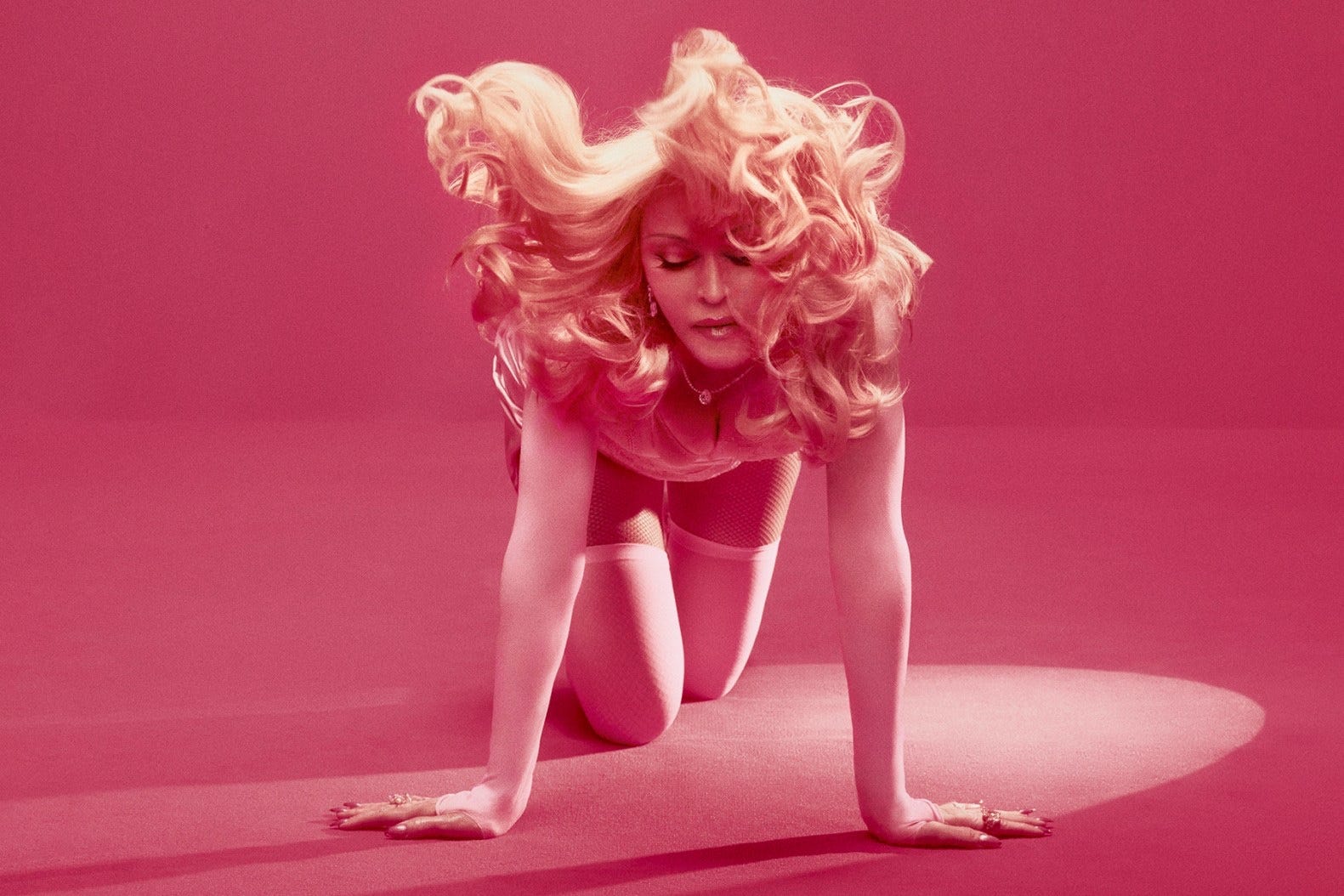
It shows how good she has become at reinvention—taking something from her own history and transforming it without getting trapped in the shape it had at first.
The woman who could never stand still
Madonna who arrived in New York at nineteen with 35 dollars in the pocket was already driven by the force of movement.
She was a dancer before the world knew her as a singer. She had a powerful mind that saw clubs both as community and opportunity, and she was looking for a place where she could become visible.
Once she was visible, the versions were increasing in numbers—lace, crucifixes, Like a Prayer, Catholicism.
In Erotica, she explored her sexuality which turned into the definition of the era.
There was Confessions on a Dance Floor, where movement was like religion and the nightclub turned into church.
Years later came Madame X which I consider one of Madonna’s greatest records. If Confessions II has now taken the first position for me, Madame X remains very close behind, but it was first for quite a long time.
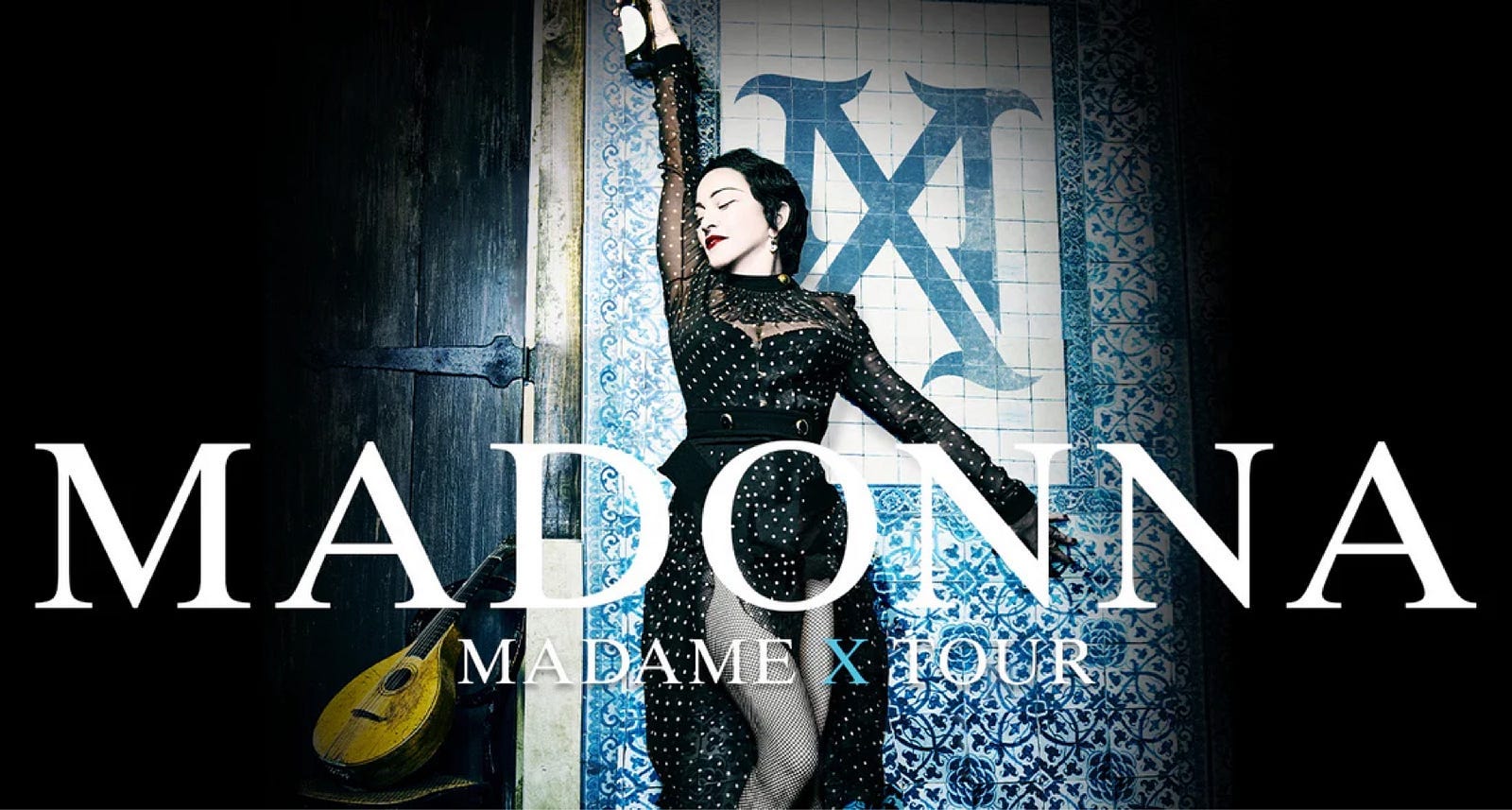
What was so fascinating from that era was that Madonna presented not just one version, but many, and it was too hard for a 17-year-old gay boy from Bulgaria to ignore.
Madame X was a secret agent. A dancer. A professor. A housekeeper. A prisoner. A nun. A singer. A saint. A whore. A spy in the house of love.
The identities were numerous because Madonna herself had become too complicated to fit inside one. She does not destroy herself and start again.
The most genius thing she does is she takes the best from each era and accumulates, because every new Madonna contains traces of the previous ones:
Madame X still carries the rebel heart, which carries the complexities of the MDNA era, which expanded the world of Hard Candy, which made the dance floor sweeter and more bubbly. The said dance floor was the space where American Life could come to rest and confess, the same American Life that needed to shake the structure that Music established with pop, and Music was a little break from the shining Ray of Light, which had enough space to breathe after it took inspiration from Bedtime Stories.
The Bedtime Stories are what we say to each other after we have come down from the transforming force of Erotica, which complicated the Prayer. The same Prayer was too serious to be True Blue, and True Blue made us open our hearts after a touch that made Everybody and Madonna feel Like a Virgin.
You see, there is a certain thing from each album that Madonna has reinvented, transformed, and carried to the next, which gives each album a brand new persona and a different identity.
With Confessions II, however, she did not need to invent another Madame X in order to prove she could still transform.
The reinvention happened inside something we thought we already knew.
What happens when your own past becomes material?
A young artist has influences, but an artist who has lasted as long as Madonna has previous selves and an archive large enough to become another source of creativity.
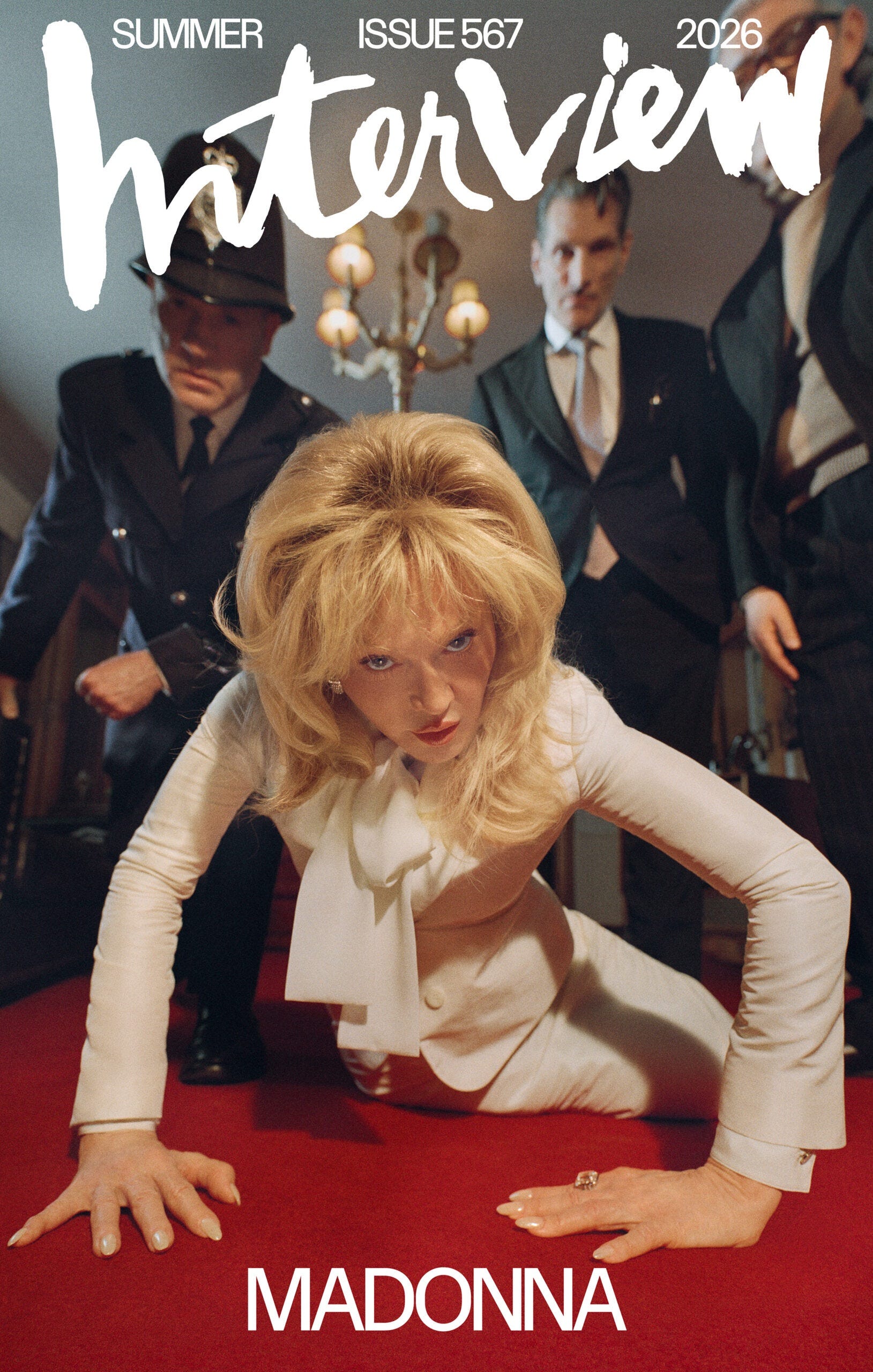
Madonna herself recently said in Interview magazine that the years she spent revisiting her life—for the abandoned biopic, the Celebration Tour and now this album—have tuned her mind toward memory and the connections between different moments of her past. She has been clear that she is interested in that history not as somewhere to live permanently, but as something she can learn from and change.
That distinction is everything, because nostalgia would have been easy.
She could have called Stuart Price, recreated the exact synths, found another leotard, made something like Hung Up Again, given everybody the Madonna they insist they miss.
But she did not. Confessions II speaks the language of the original record without repeating its sentences.
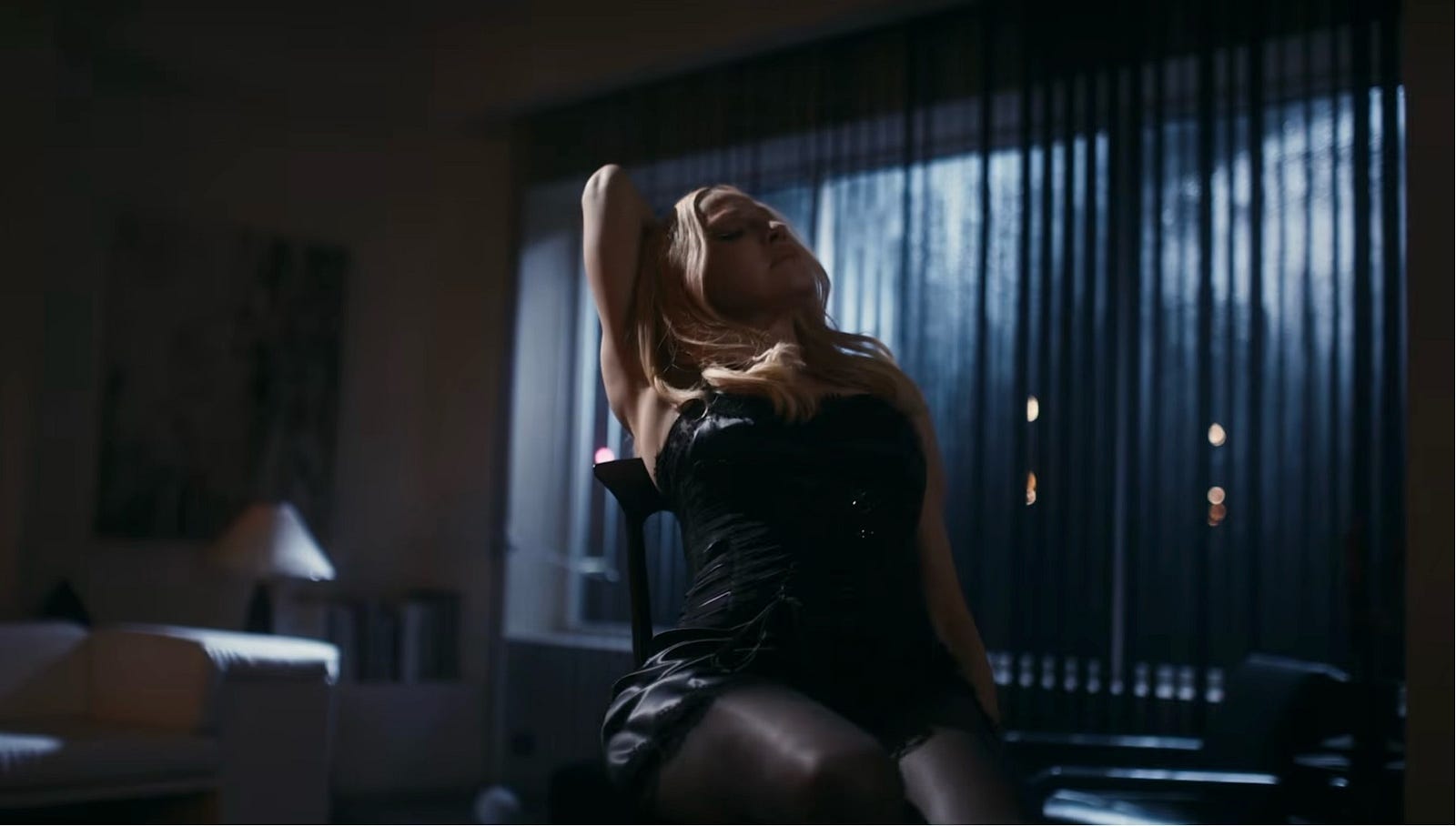
Yes, Stuart Price is there. Yes, the songs blend into one another. Dance music is again treated as something larger than entertainment.
The woman telling the story is different though. The story is different too.
Songs such as “Good for the Soul” and “One Step Away”, “L.E.S. Girl”, do not sound to me like Madonna trying to reconstruct 2005.
They are a perfect example of how an artist has taken everything she has lived since 2005 and placed it inside a language her audience already understands.
She revised an old idea, took something canonised, risked changing it, and created one of the most sophisticated versions of reinvention.
She taught us not to settle for the version already approved
Madonna has had an enormous influence on the way I understand reinvention.
When I begin something new, my instinct is almost never to replicate what I have already done simply because it worked once.
There is something almost suspicious to me about comfort.
If I already know precisely how to do it, why am I doing it again?
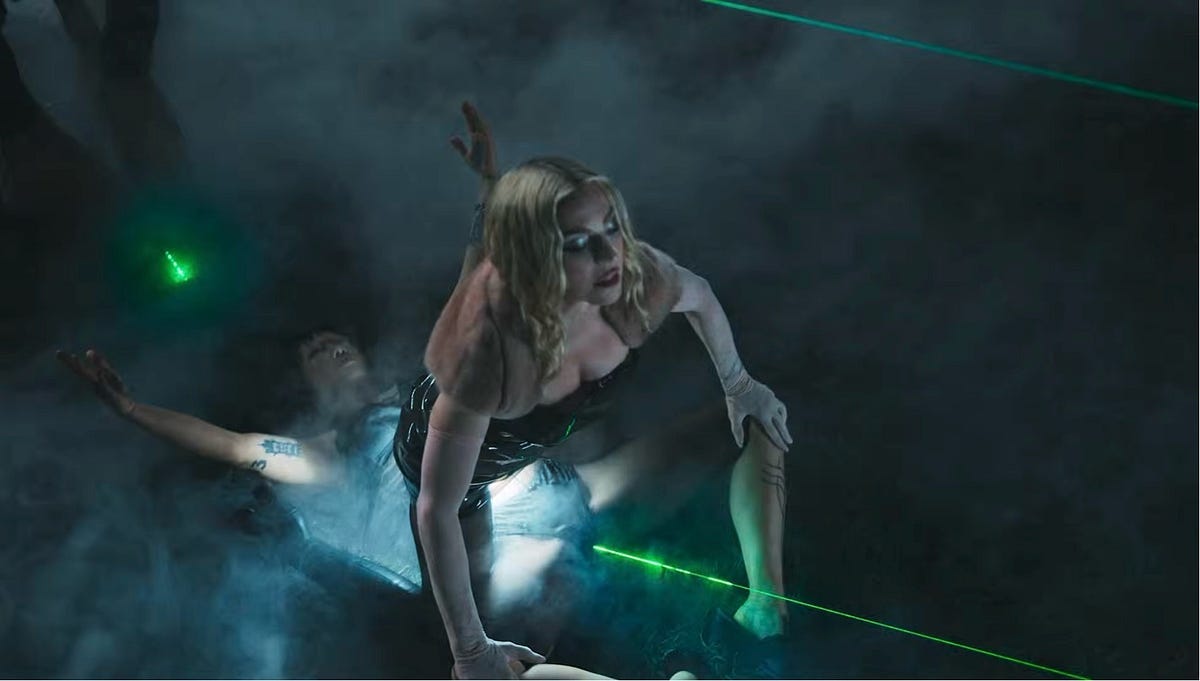
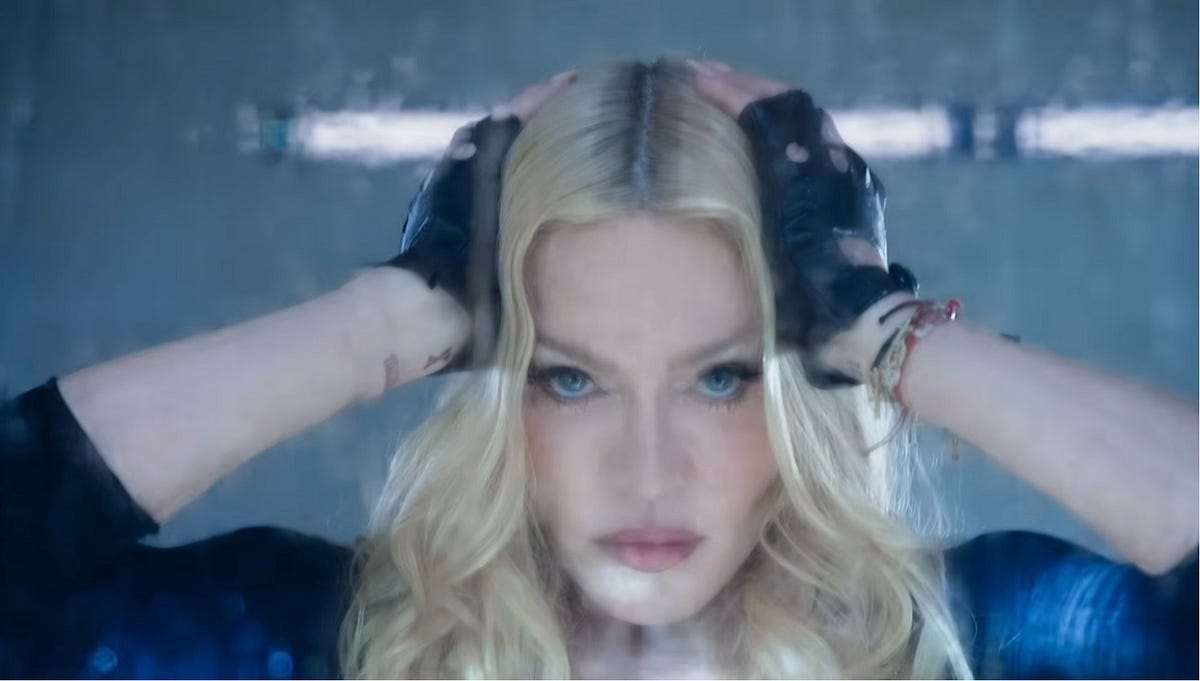
Madonna taught me that, the way she has continuously refused the security of repeating an approved version of herself.
Years ago, speaking about age and beauty, she explained that she does not think of herself as fighting age. She simply keeps putting herself in unfamiliar and challenging situations. As she put it:
“If you keep putting yourself in challenging, new adventurous situations, then you keep yourself alive and youthful.”
Her youthfulness has never depended entirely on looking young, but on remaining curious, moving countries to support her personal and creative goals, learning new sounds, working with younger artists, and entering rooms where she does not already know the outcome.
She taught generations of us to leave other things, too, such as shame, rules that existed primarily to keep us obedient, ideas about sexuality that belonged to somebody else, the expectation that women should be liked before they are listened to.
The need to become simpler so other people can understand us…
And there is the important complication here discussed earlier.
Madonna never understood reinvention as killing the old self. She kept what she needed, while the foundation remained.
Every reinvention added something instead of deleting everything that had existed before.
Confession after experience
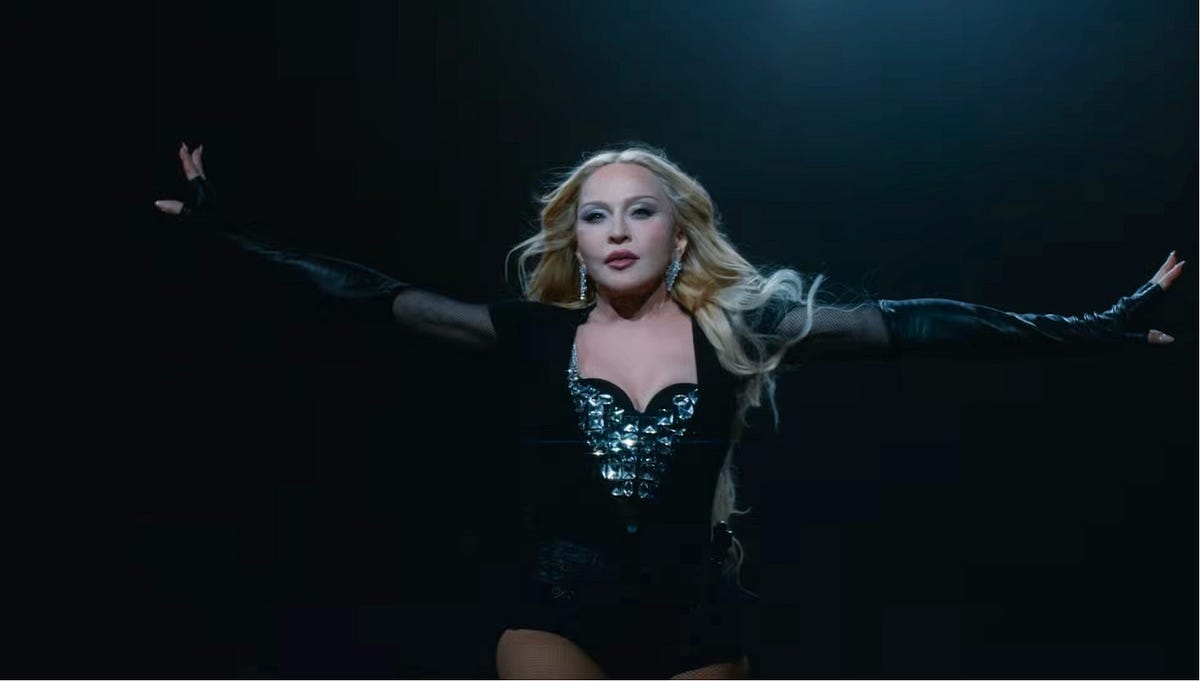
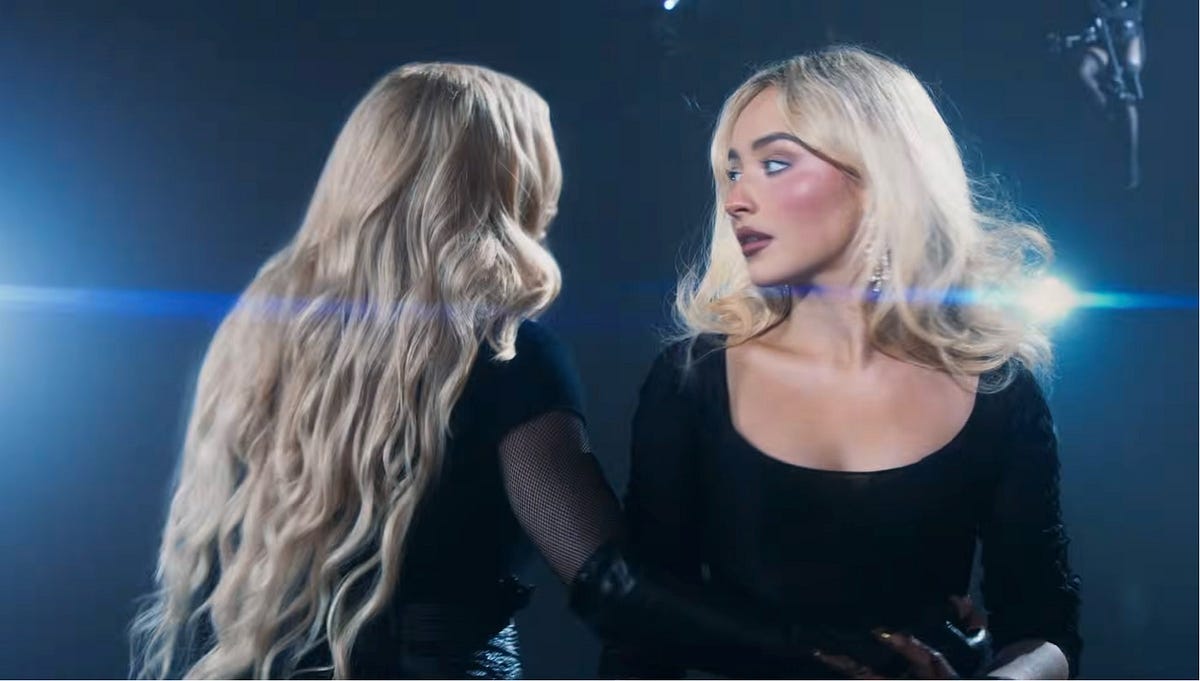
In Confessions on a Dance Floor the nightclub was understood as transformation. Each song, like in Confessions II, blended into each other, and twenty-one years later, confession carries more memory.
Madonna has said that Confessions II emerged during an extraordinarily difficult period. Her brother Christopher was seriously ill and later passed away. Her stepmother, with whom Madonna had endured a painful relationship since childhood, had also died. Her daughter Lourdes approached her about making music together as a way of working through their relationship.
It is obvious that Confessions II could never have been Confessions on a Dance Floor again.
The first record belonged to the life she had in 2005, where as this new one belongs to the woman who survived everything between them.
There is grief. Forgiveness. Betrayal. Family. Freedom.
Most importantly, there is the continuing desire to express something simply because Madonna still possesses the freedom to express it.
“One Step Away” is particularly important to me for that reason.
Freedom has always been one of Madonna’s most persistent forces in art.
Freedom to move.
Freedom to desire.
To leave.
To believe.
To contradict herself.
Freedom to be vulgar one minute and spiritual the next.
Freedom, above all, to resist being made legible according to somebody else’s rules.
The woman who refuses to disappear
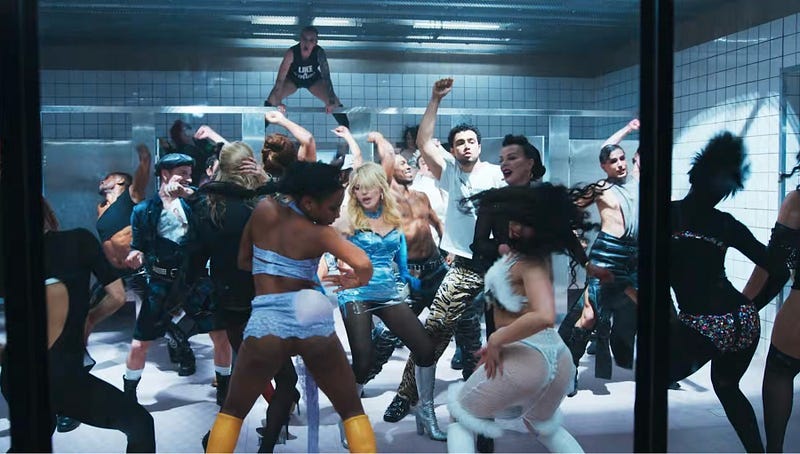
For decades, Madonna has been punished for continuing to exist publicly and wanting more.
She continues being sexual and ambitious, dressing for herself, creating and working. And at the same time people have repeatedly asked for the “old Madonna.”
What does the “old Madonna” mean? The one from the ’80s? From the ’90s? From Ray of Light. From the first Confessions?
The old Madonna is safe, we already know what she did. And it is already approved.
The things that caused outrage have been canonised, which means the scandal has become nostalgia.
People can now celebrate what they once might have condemned without confronting the far more uncomfortable fact that the same woman is still here, still exercising the same freedom now.
Madonna ageing publicly has exposed an extraordinary contradiction.
Culture loves the rebellious older woman retrospectively.
It is much less comfortable for the ageists watching an older woman continue to rebel in real time.
And Madonna knows this game too well.
In her recent conversation with Interview, she said something wonderfully revealing about nudity. After decades in which nakedness was one of the things used against her, she now finds the opposite more interesting.
“Now I don’t want to be naked because everyone’s naked.”

That is Madonna.
She spent years being told to put clothes on and now that everyone has taken their clothes off, Madonna would rather think and wear them.
Rebellion cannot remain rebellion once it becomes uniform.
Madonna wearing more clothes now does not mean she has surrendered her sexuality. That is freedom too.
And perhaps this is why the obsession with whether Madonna is “too old” has always missed the point. She is not asking permission to be a younger woman. She is just refusing the demand that an older one should disappear.
Maybe reinvention was never about becoming somebody else
Since I was a child, I have been watching Madonna reinvent herself, I loved learning the word “reinvention” and probably I will associate it with Madonna.

But I assume I have been thinking about the word incorrectly, because maybe Madonna has never repeatedly become somebody else.
She has spent a lifetime discovering how many different people can coexist inside one person.
Madonna’s reinventions made the definition of herself larger.
That may be why Confessions II feels so satisfying now. It does not ask us to forget Confessions on a Dance Floor or any previous era.
Madonna herself has said that revisiting the past now interests her precisely because she wants to do it on her own terms—to take old material, disturb it, look for another meaning and refuse to perform it exactly as the audience expects.
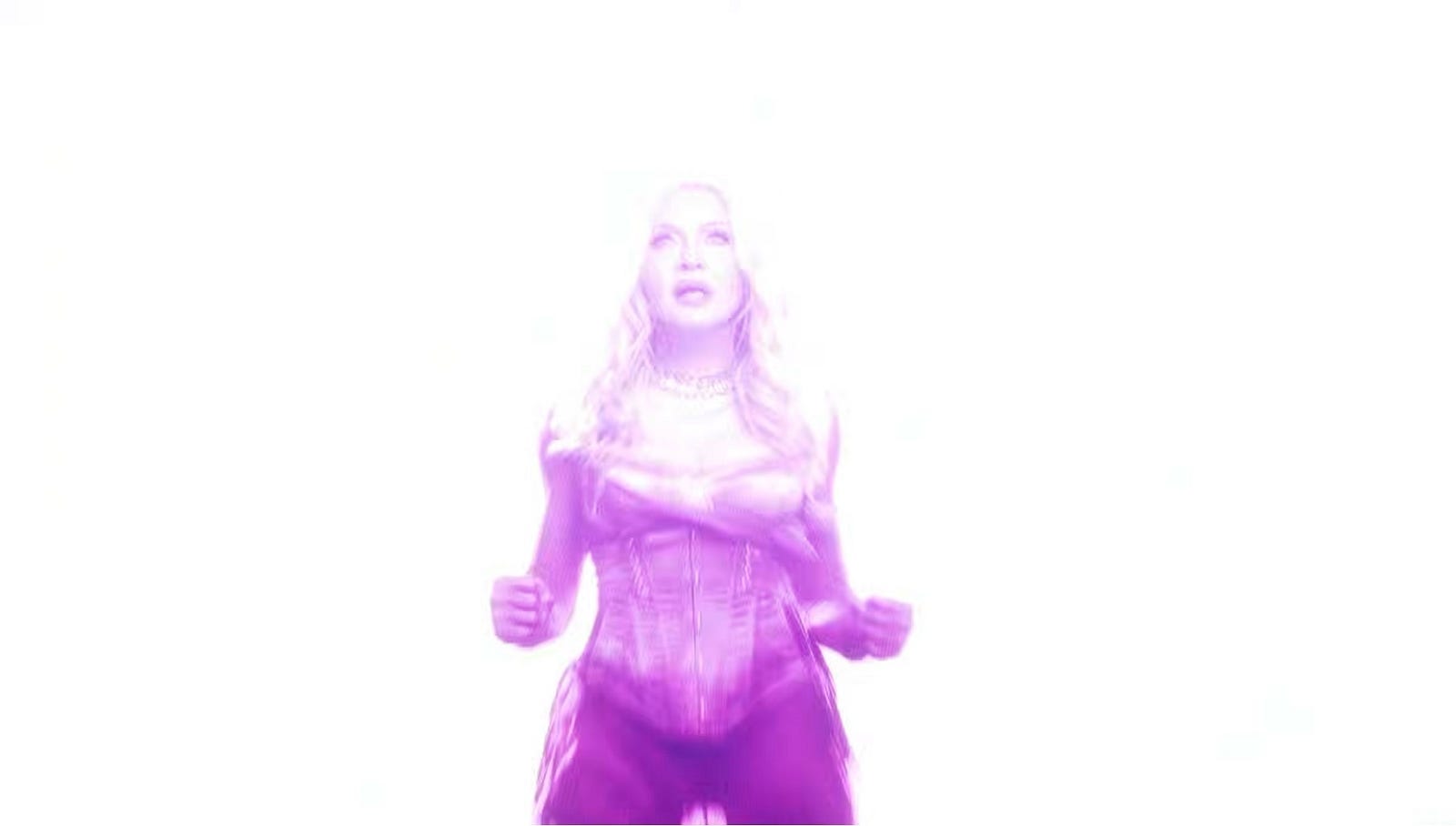
At 68, Madonna has enough history behind her to understand that every one of those women was real.
The girl who arrived in New York with almost nothing.
The woman who scandalised the Vatican.
The woman who made motherhood part of a spiritual awakening.
The disco queen in the purple leotard.
Madame X with her multiplicity of identities.
The woman who nearly died.
The woman who survived.
The woman who went back into the studio with Stuart Price because the world felt dark and she believed people needed to dance.
None of them has to win.
None of them has to disappear.
And maybe that is Madonna’s most important reinvention yet.
Not becoming someone the world has never seen before, but becoming complicated enough to contain every version of herself the world has already tried to define.
And she is still not finished.