

It is late afternoon in Taksim, Istanbul. Think of it as Times Square with more impatient taxis, more cigarette smoke, and a slightly higher chance that someone will interrupt your thoughts by shouting into a phone.
Cars are honking around me, but I am not expecting Madonna to step out of a cab on Istiklal the way she did when she moved to New York at nineteen and told the driver to take her to the centre of it all.
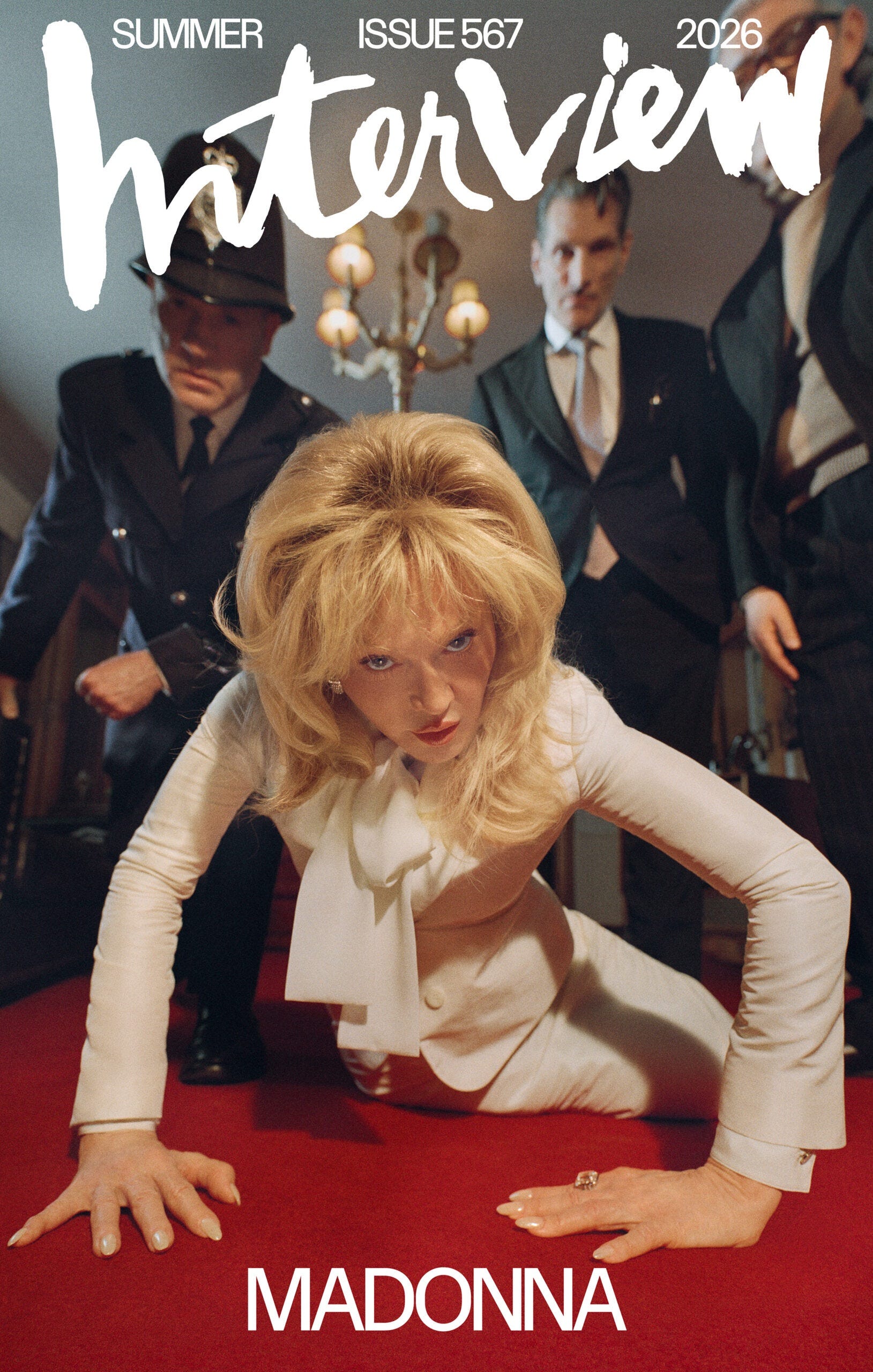
Instead, I am reading Madonna’s interview for Interview magazine, while sitting outside the cultural centre that saves me from the city’s chaos.
Somewhere nearby, Ricky Martin is sound-checking for his Istanbul concert. I am, apparently, absorbing the legacies of two iconic artists at once, without having asked to.
Ricky’s voice is floating over the noise of Taksim and for a second I think of the version of myself from a year ago, who would have opened Grindr, certainly invented a reason to walk to the stadium, and casually investigated each five-star hotel in the area in the name of pure journalism or poor decision-making.
This time I stay with Madonna’s interview before I create a logistical scandal.
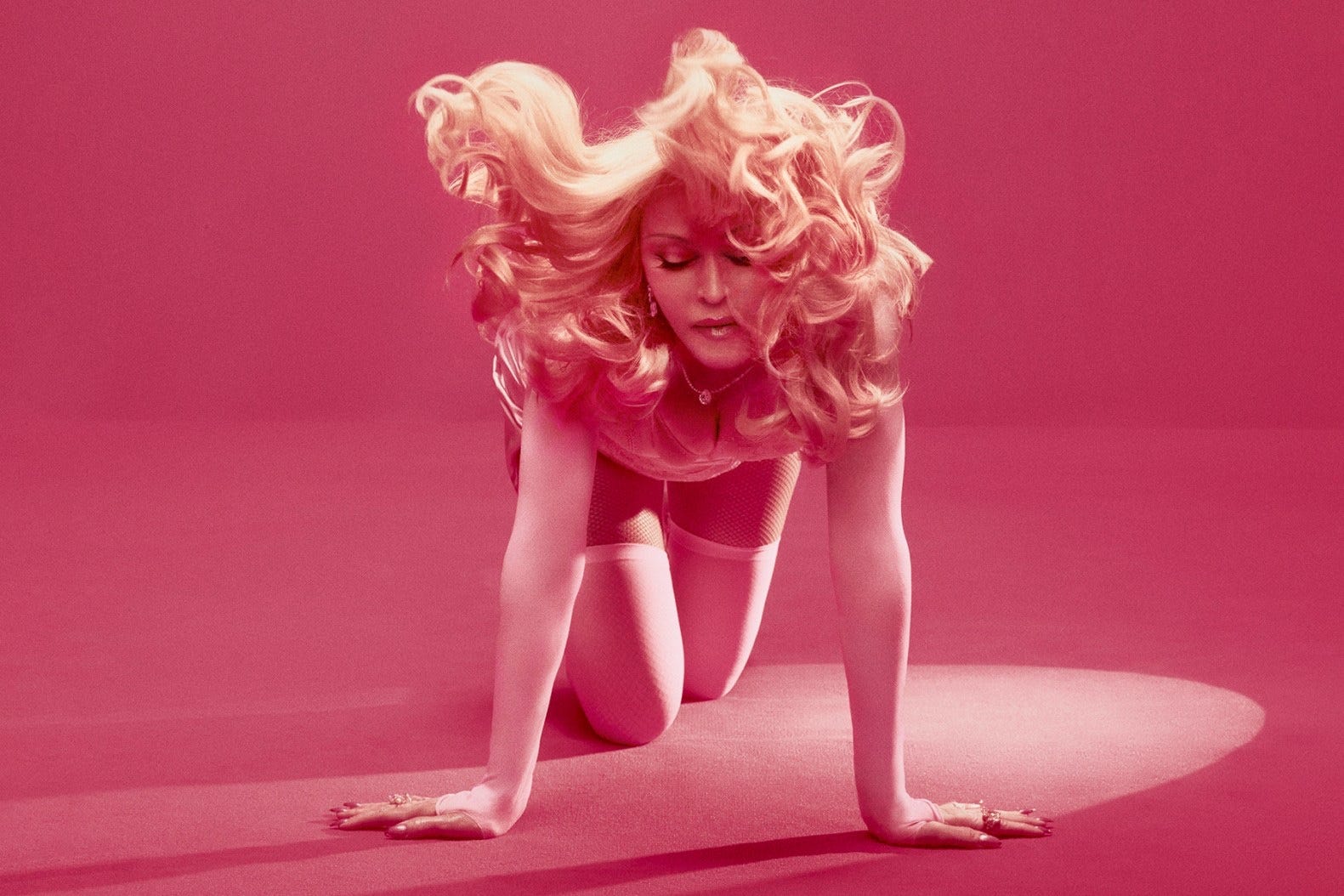
In Interview, she talks about releasing Confessions II at a dark time in the world — about memory, prayer, phones, and the state of mind she wants to invite listeners into. And I begin to understand the album even better than I did the first time I listened to it, while riding on a ferry to the Princes’ Islands.
On that first listen, while Fragile was playing, I could not help but let the tears run down my face as I thought of my late father, whom I often see in my dreams, much like Madonna speaks of seeing her brother to whom she dedicated the song.
Confessions II makes even more sense now that I have lived with it for a week and played it twice every day. On first listen, it even felt as though Madonna was reintroducing us to album-listening at a time of fast beats and TikTok sounds. I remember thinking:
“Okay, now is not the time to shuffle.”
Now this vision has shifted into viewing this album as a refusal to let the algorithms take over and become the only rhythm we follow.
In Bring Your Love, Madonna sings, “don’t try to distract me with numbers” — a rejection, as she has explained in interviews, of everyone who has tried to talk her into decisions built around the album’s potential virality. It is really embarrassing how views, likes, and shares seem to shape the way we perceive ourselves nowadays, and how they even influence certain artists’ creative decisions, which sometimes makes music today come across as shallow.
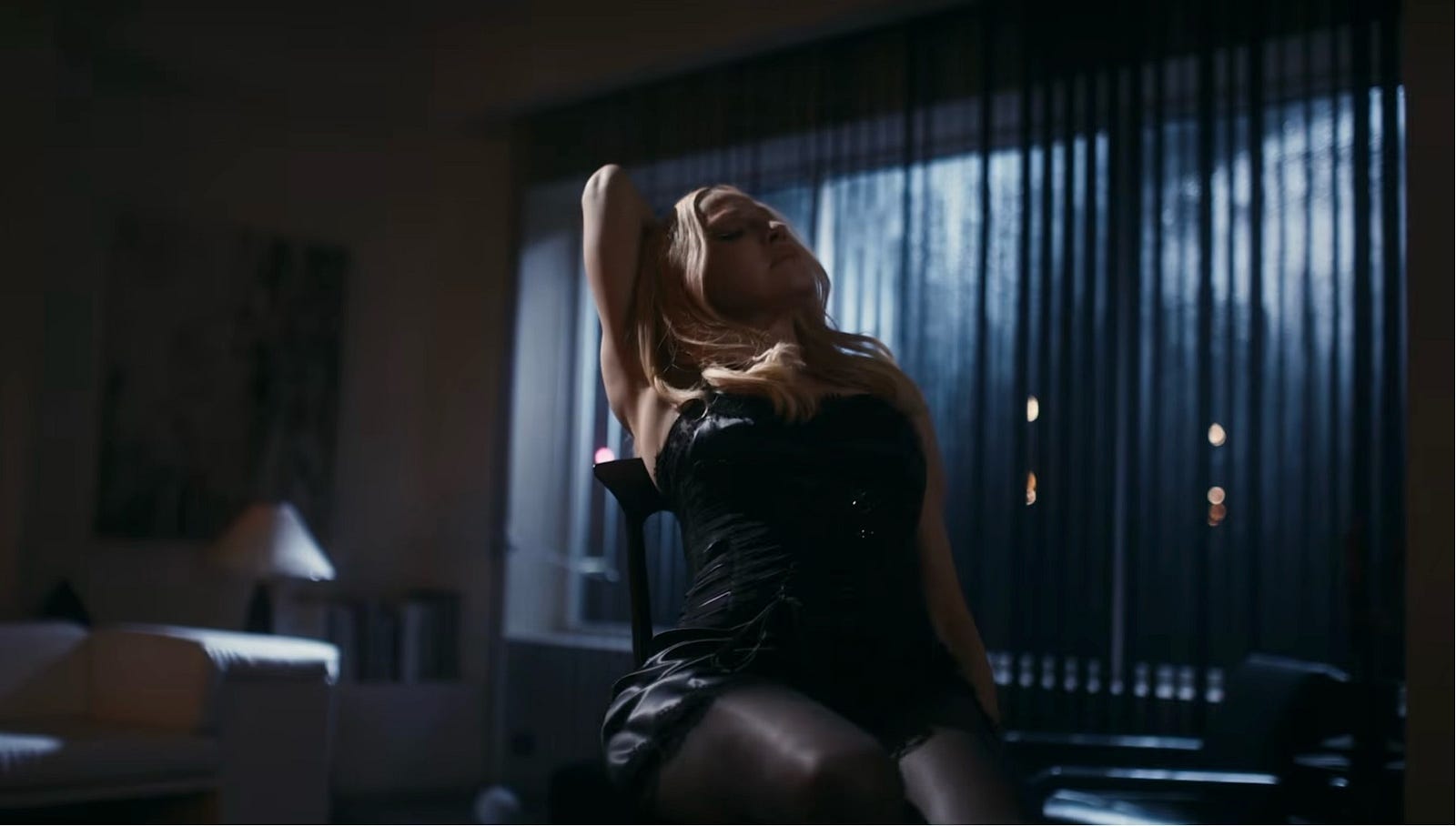
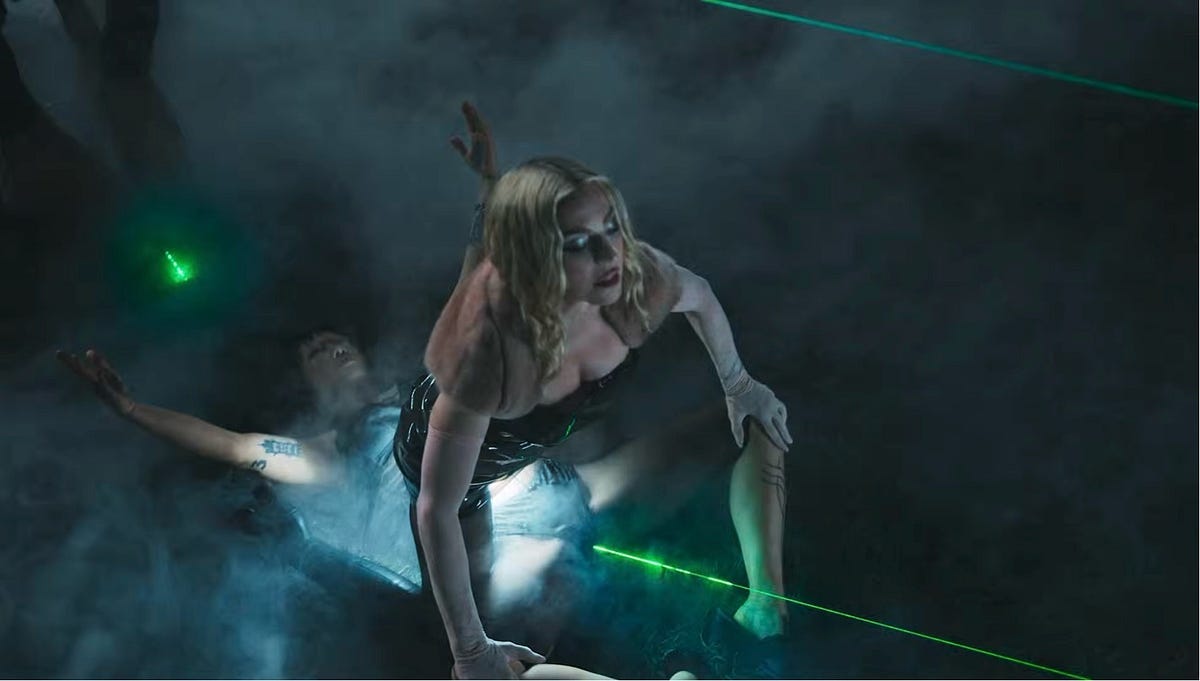
The same resistance to disposability is present in Confessions II - The Film, a 13-minute long visual project that introduced the world to the album’s ecosystem before the album itself was released.
Visuals and music videos barely exist the way they used to, and when they do, the lack of imagination is often disturbing — as if a full cinematic experience is no longer worth the investment when a fifteen-second trend will do.
At such a time, Madonna returned with a short film.
Not a teaser, not a disposable clip.
A film.
A film that left viewers once again in awe of her creativity and artistry through ritual, memory, choreography, bodies, the mythology of the album. It gives soul to the songs and reminds us that pop music was never just sound, but image, provocation, choreography.
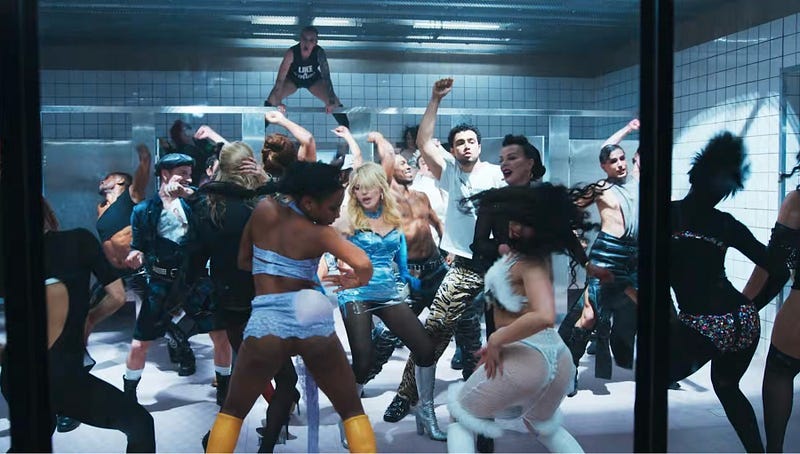
What it demands, in other words, is attention and repetition, as the album itself does not ask to be consumed and discarded, but it asks the body to remember something our phones keep interrupting.
This may be why the album connected so quickly with the millions of its listeners and became an immediate success — another wake-up call from the Queen of Pop.
Just a few hours after this feature was published, Confessions II debuted at No. 1 on the Billboard 200.
Madonna released several versions of the album, including the Icon Edition, Grindr Edition, and Instrumentals, and at one point three of the four occupied the top three spots on iTunes Worldwide for several days in a row.
That success suggests that listeners are still hungry for the full experience of entering an album’s world, that does not resemble something they can scroll past.
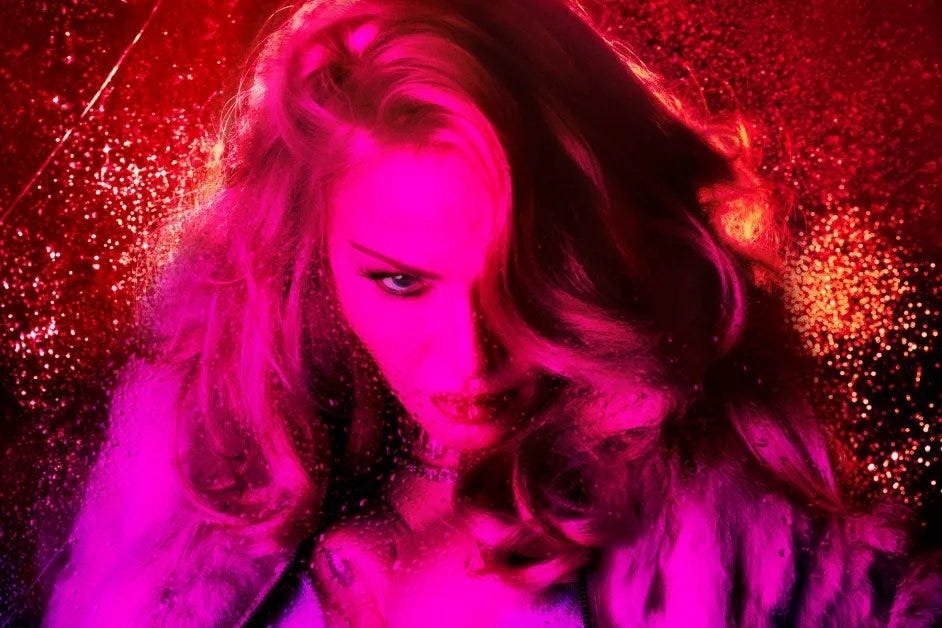
Confessions II, like all Madonna albums, is not supposed to be background music. It asks you to tune in, immerse yourself in the sound, let one song lead to another, dance, reflect, and return to the dance floor — to remember we still have bodies through which we can express ourselves, not just display on social media.
And it asks you to trust that dancing was never a distraction from the real thing.
It was always the real thing.
So perhaps the question that the album asks us to answer is:
When was the last time you moved your body because you meant it, and not because someone was watching?