

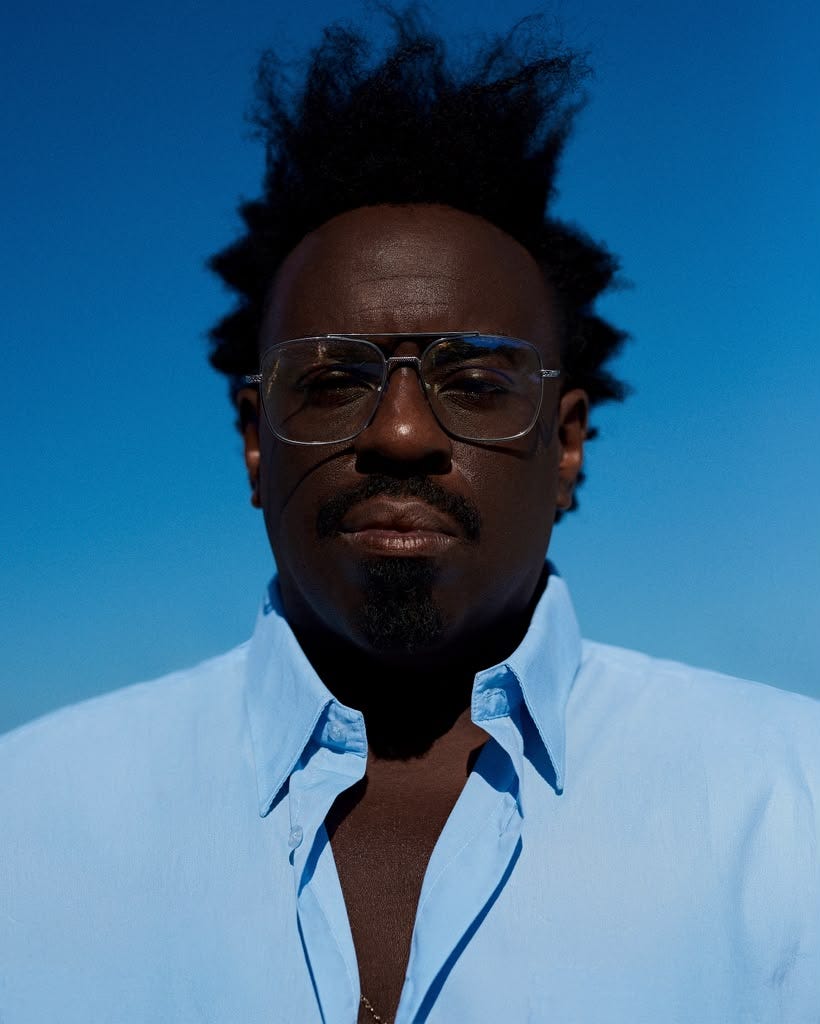
Studying at Xavier University of Louisiana, at nineteen, Maurice Fonson was in New Orleans, attending classes and doing all the things a student is supposed to do while trying to imagine what adulthood might eventually look like.
On Fridays, however, he would leave school and fly to New York.
Craigslist was still Craigslist, as he remembers it, and independent producers and artists would post jobs looking for writers and musicians. Maurice would arrive in the city, spend Saturday inside somebody’s smoke-filled studio writing hooks, go to the Village Underground on Sunday night to listen to singers at the open mic, then head straight to JFK.
The flight back left around five in the morning and chemistry class started at eight.
That was his routine for approximately two years.
Watch our full conversation on YouTube or continue reading the article.
He tells me there was barely any money in it, as he would spend whatever he earned on the flight ticket and a night in a hotel. Only his grandmother knew what Maurice was really doing. Someone, after all, needed to know where he was.
And what Maurice knew was that he wanted music badly enough to keep returning to New York every weekend.
“I had this ambition and this dream to be a massive singer, songwriter and performer,” he tells me on a Zoom call from New York at the end of July. “But I didn’t necessarily know how I was going to get there.”
We almost always like to arrange the past while telling stories about success once success has already happened, and every difficult decision begins to resemble foreshadowing. The airport floors, the missed flights, bad jobs, unpaid work, failed relationships and self-doubt become necessary characters in an origin story whose ending now seems obvious.
But life could never be neatly organised while it is happening.
Maurice’s career did not wait for him to understand himself though. There was heartbreak and fear. But there was also ambition.
Before the credits

Maurice remembers Janet Jackson’s Rhythm Nation tour as the first concert he attended at the age of seven or eight. There were difficult things happening inside his household, and music offered him an escape, another place to go to.
Curiosity led him to discover Jimmy Jam and Terry Lewis as the people composing Janet’s hits and those of others of his favourite artists, and he recalls their work as foundational to the way he understood songwriting. Maurice later discovered artists such as Babyface and Diane Warren and became fascinated by writers who could evoke emotion through their craft.
The songs he heard as a child changed their essence as he grew older because life gave him the context he had not possessed at seven or eight. Lyrics carried meaning he could recognise from his experience.
“That’s what makes music universal,” he says. “We’re connected by experiences.”
It became a kind of blueprint of learning how someone’s private experience could leave one person’s life and somehow enter somebody else’s. Even as a young man, he knew he wanted to be famous, to sing, to write, and years later he would carry his experience into the songs he would write for himself and for others.
Writing yourself through somebody else
One of the more revealing moments in our conversation arrives when Maurice tells me about “Unlearn Me,” a song originally written as a demo for Leona Lewis that can still be heard on YouTube.
At the time, he was going through what he believed was the end of a difficult relationship. As he would discover soon, there would be more heartbreak to come.
He had reached the point where he wanted to somehow remove the relationship from himself—to unlearn the person, the love and the version of life they had built together.
So he wrote the song—for somebody else.
He tells me that writing for another artist can require imagination, but sometimes the artist arrives with a story and the session begins to resemble therapy as everybody tries to find the language for what that person is experiencing.
And sometimes Maurice’s own life entered the room. He shares he could place pieces of himself inside the music another artist might eventually sing.
Which makes us doubt if there is a significant distinction between Maurice Fonson, the songwriter, and Maurice Fonson, the artist. It turns out the credits might make those identities look separate, but his emotional life never really did.
“The things happening in my personal life will always seep into the music,” he says.
As the years passed, that life continued moving beside the career, into something quite familiar to all of us.
There were broken hearts. Jobs. Family problems. The pandemic. Relationships that would not end cleanly.
Earlier projects such as The X Files became places where he could further explore what had happened to him—what he had done, what other people had done, and what remained once a relationship was supposedly over.
Meanwhile, professionally, Maurice was already becoming the person his nineteen-year-old self had flown to New York hoping to become.
Success does not wait for certainty
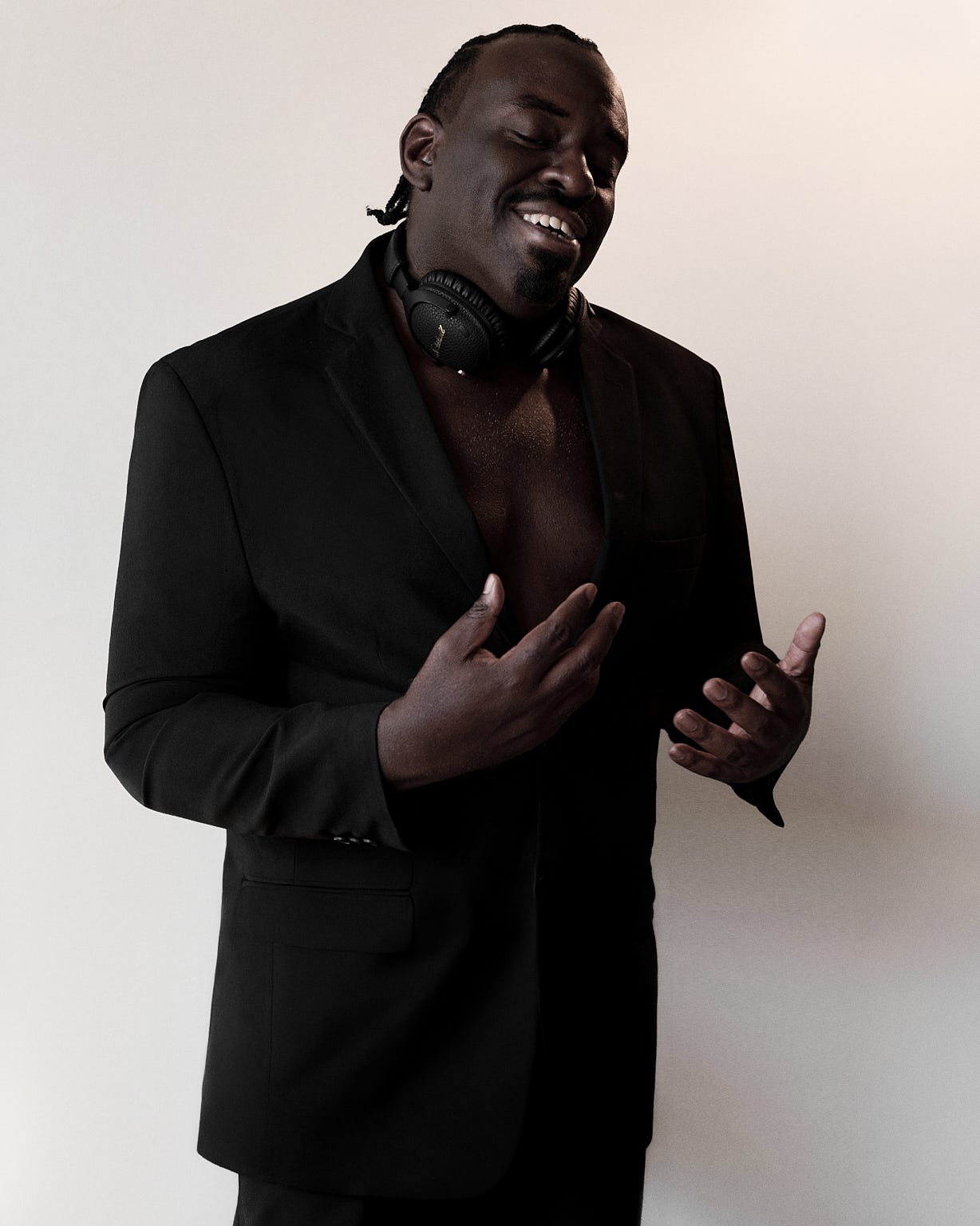
Jennifer Hudson.
Leona Lewis.
Sebastián Yatra.
And now Madonna.
Names so impressive, a person would assume the story would look simple from the outside, even if it was not.
“If you had told me two years ago that I would have a song on a Madonna album, I would have said, ‘You’re crazy,’” Maurice says.
His work on “School” for Madonna’s Confessions II marks what he describes as another level in his career, one that has brought new attention to him. It might even come across as “overnight success,” but Maurice knows better.
“There were so many times when I wasn’t sure whether I was ever going to be seen,” he says.
Now the recognition is arriving, but he does not talk about it like someone who believes the work has finally been completed. He talks about levels and what is next, and about being thankful.
Maurice does not pretend to be indifferent to success. There is so much excitement that drives his engine. He tells me he would like to embark on a world tour, win a Grammy, write for Beyoncé, Rihanna and Usher.
Maurice also insists that underneath every accolade sits the same reason he was willing to spend almost everything he earned travelling between New Orleans and New York.
“This is still a piece of my soul,” he says.
The Fun version
When Maurice talks about his upcoming EP Fun, his face lights up and he is obviously happy and full of joy.
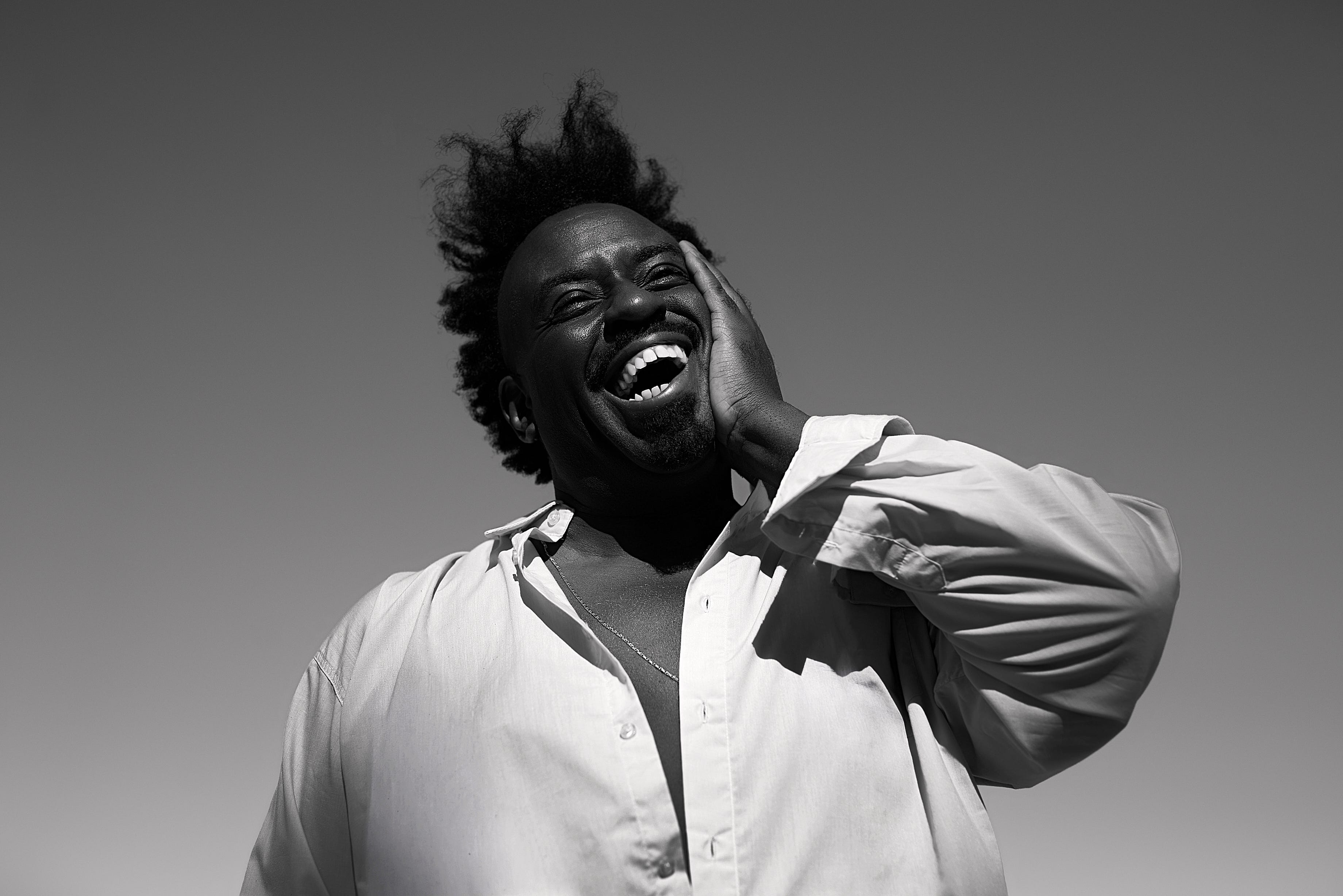
While much of his previous music had often come from heartbreak and introspection, that is not the space he wants to inhabit anymore.
“I’ve been sad long enough,” he says. “I’ve healed. This is the new version. This is the healed version of me.”
Fun began taking shape in early 2025, after some family difficulties and a broader reassessment of what Maurice wanted his life to contain after the pandemic.
He wanted to keep what made sense and what felt good, what did not sit quite so heavily on his spirit.
The title Fun sounds deliberately uncomplicated because, in some ways, it is. Maurice just wants to have fun. And he wants the listeners to have fun.
He describes the project as light, joyful and escapist—the world has not suddenly become light, but it never can.
“We’re living through a dark period,” he says.
But perhaps, for twenty minutes, music can allow us to remove the darkness and just enjoy the rhythm.
His first single from the project, “Sweet,” arrives on August 14, and carries that lighter Maurice into the world. He describes himself now as bubbly, easygoing, even “a lovable teddy bear,” and he shares the song lives inside the uncomplicated pleasure of being infatuated with somebody.
“The song is about being a little infatuated — that feeling of being so into somebody that you’re completely open. I feel like that right now. I’m dating, I’m out here in these streets, and I just want to enjoy it. It’s that feeling when somebody has you hooked and you almost don’t care. They’re just sweet. They’re everything in that moment.”
There are deeper moments across the project, and another EP is planned to explore more of what it took for him to arrive at Fun in the first place.
It is interesting sequencing—Maurice is giving us the joy before showing us what has built it.
The old skin does not disappear
The Wonder Mag’s August issue has been built around the idea of a Summer of Reinvention, and I asked Maurice whether reinvention means becoming somebody entirely new or removing versions of ourselves that no longer fit.
His answer resists the clean transformation. He says we carry the past with us.
“You can shed your skin and reinvent yourself,” he says, but whoever emerges still exists because of what came before.
The successful songwriter still remembers wondering whether anybody would ever see him. And the healed version still remembers heartbreak.
When I ask which version of himself he wants to leave behind, Maurice answers quickly.
“The scared version.”
I ask what still scares him.
“A lot of things.”
Maurice is learning not to beat himself up as relentlessly as he once did. He does not want the clouds permanently hanging over him anymore.
Time, however, remains one of the more difficult fears — “like an enemy in my head,” he says.
Sometimes he still believes certain things must happen immediately. If they do not, the mind can make the delay feel catastrophic.
It is difficult not to recognise something painfully contemporary in that feeling as we are all surrounded by public timelines or a stranger we see in our feeds talking about success without bringing any of the years that preceded it.
Maurice has lived long enough inside music to know that careers rarely move according to the timeline somebody imagined at nineteen. He is learning to believe something else now:
“What is mine will be mine in the time it is meant to be mine.”
He admits that accepting this is difficult, but perhaps that is why it matters.
There is no ceiling
When I ask what excites him most now, his answer is immediate.
“There are no limits. The sky is the limit,” he says. “There’s no ceiling.”
Two years ago, Madonna seemed impossible, and now their record sits on his résumé.
Maurice wants the Grammy and the global career. He wants the debut album he is already working toward. He wants to tour the world and move across genres.
There is something almost circular about hearing him say that, now that I know the story of the nineteen-year-old who kept travelling to New York without knowing exactly how any of it would happen.
That boy had ambition before certainty, while the Maurice speaking to me now has evidence.
It is not evidence that success finally turns you into a finished person, but evidence that a person can still be becoming while the life they wanted has already begun.
Our idea of success being the final and completed version of ourselves is not always true, and Maurice Fonson’s career suggests otherwise.
Sometimes the doors begin opening while you are still carrying heartbreak through them.
Recognition arrives while you are still afraid of time.
And sometimes, after years of turning pain into songs, reinvention can sound unexpectedly simple.
It can sound like allowing yourself to enjoy what has already arrived.
It can sound like Fun.