

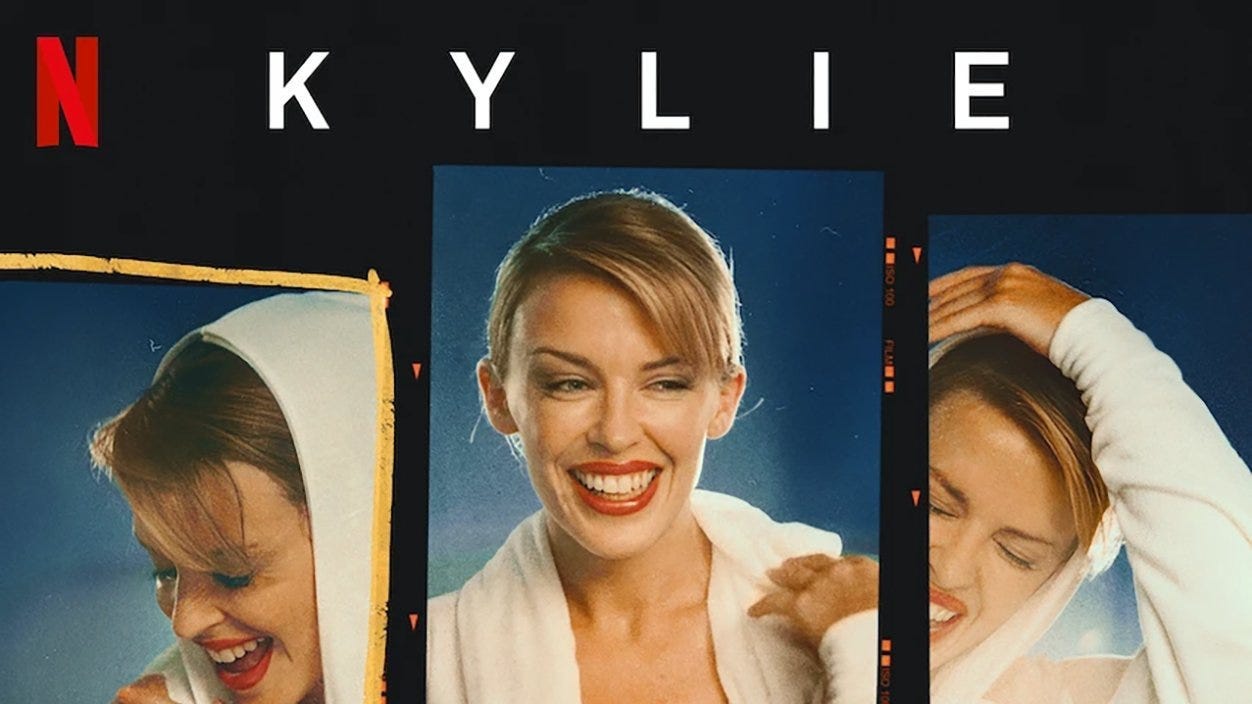
Lights. Camera. Action. Disco balls. Glam. Beauty. Reinvention. Words we use to define almost every major pop star, but words that do not fully hold the meaning of being understood as a person, not as a celebrity.
Kylie Minogue is one of the few artists that truly let us come into their world the moment we hit ‘play’ on her documentary series Kylie, released a month ago on Netflix. Being a fiend and supporter of hers, since I was a child, especially after her album Golden, I felt as if she was confiding in me, as I was watching the Netflix series.
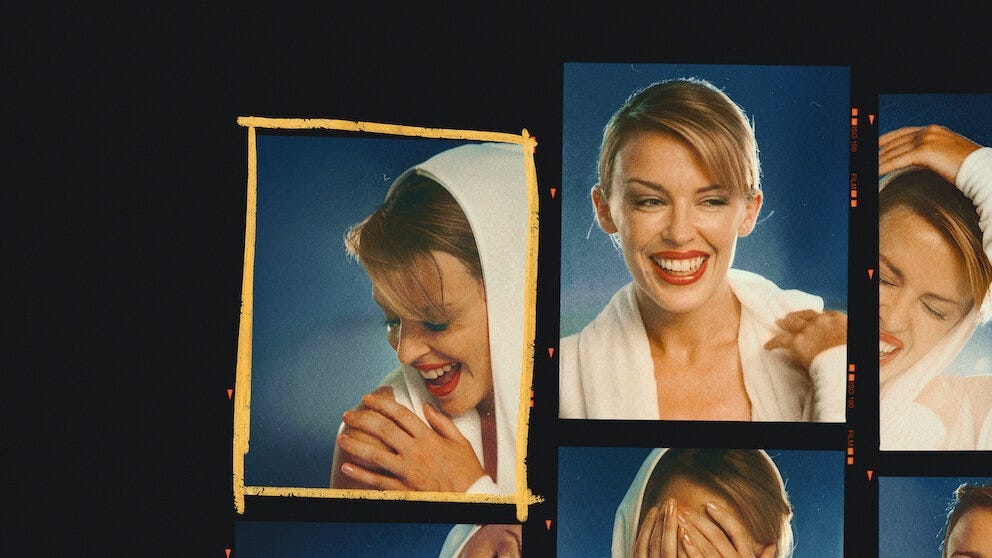
She opens the doors to a life, glamorous on the outside, but much more raw and vulnerable on the inside, and by doing so, she lets us feel her closer than before. It becomes clear that the docuseries will be much more than just biography, gold pants, reinventions and comebacks.
On the surface, the Netflix project has all the ingredients of the familiar pop-star story — a young woman who becomes famous quickly, gets dismissed too easily and early, tries to escape the image that made her famous, survives what nearly breaks her, and returns to the stage stronger and more beloved than before. The actual story, however, is not that simple.
As I was watching Kylie a month after its release, what stood out to me was that the series traces the cost of becoming an image before fully becoming yourself.
At nineteen, Kylie Minogue was already a public persona defined by labels — the girl from Neighbours, the soap-opera sweetheart, Jason Donovan’s girlfriend, and after having released The Loco-Motion and I Should Be So Lucky — a bright young pop star. The world fell in love with Kylie before Kylie herself had enough time to define what that name could or should hold.
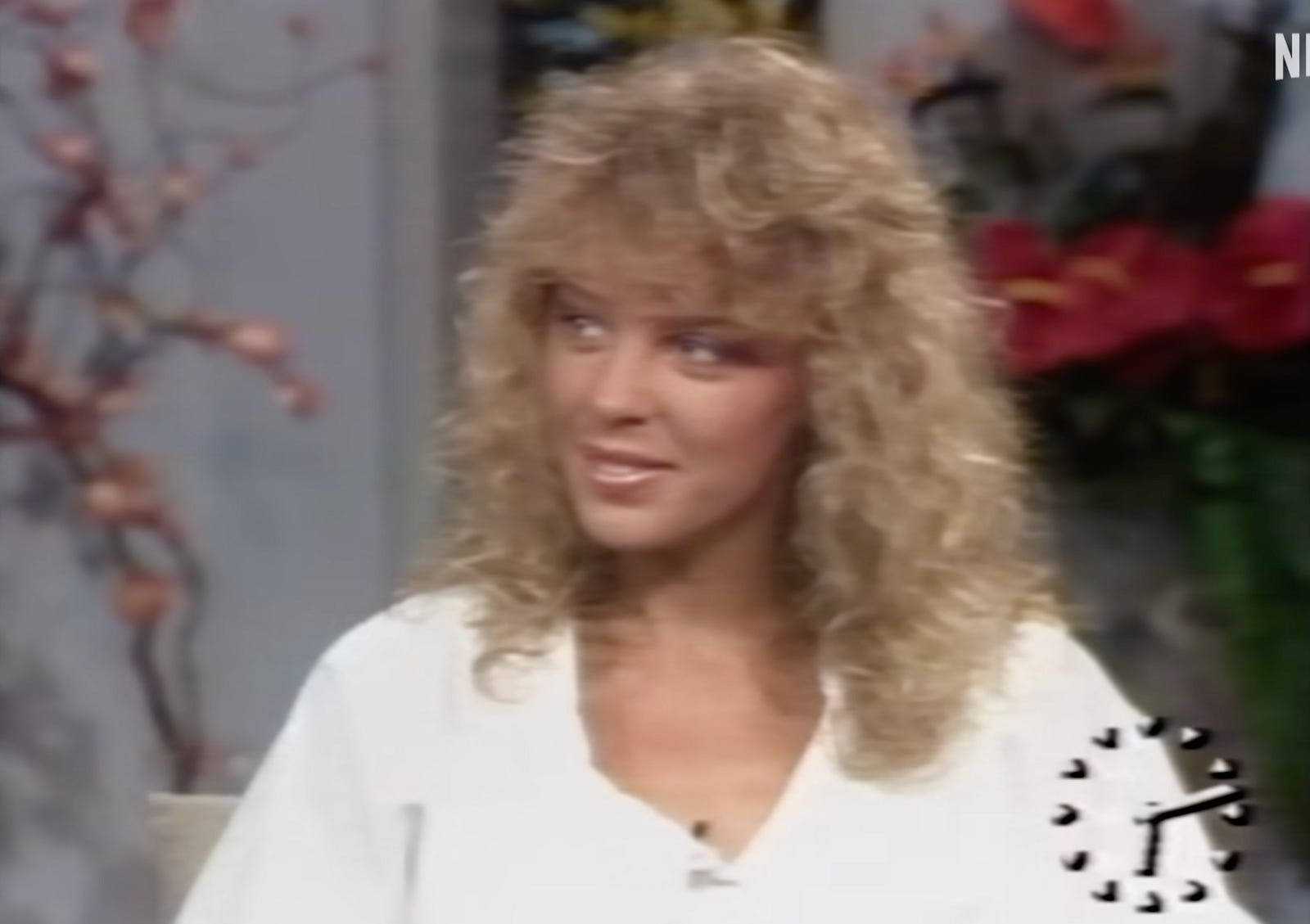
She was adored, criticized, packaged, mocked, misunderstood — and all of this happened while she was still simply… becoming a person.
Watching the first episode, we see that the first image of Kylie the pop star was created at absurdly fast speed. She remembers arriving in London to record I Should Be So Lucky, with only a few hours to spare before flying back to Sydney. At the production company, she says, they had almost forgotten she was there.
The song was written and recorded in a rush — Kylie remembers forty minutes, her then-producer, Pete Waterman, stretches the memory to two and a half hours. A song created at such speed turned into a global hit and turned her into an image she would spend years trying to understand, define, defend, escape and eventually reclaim.
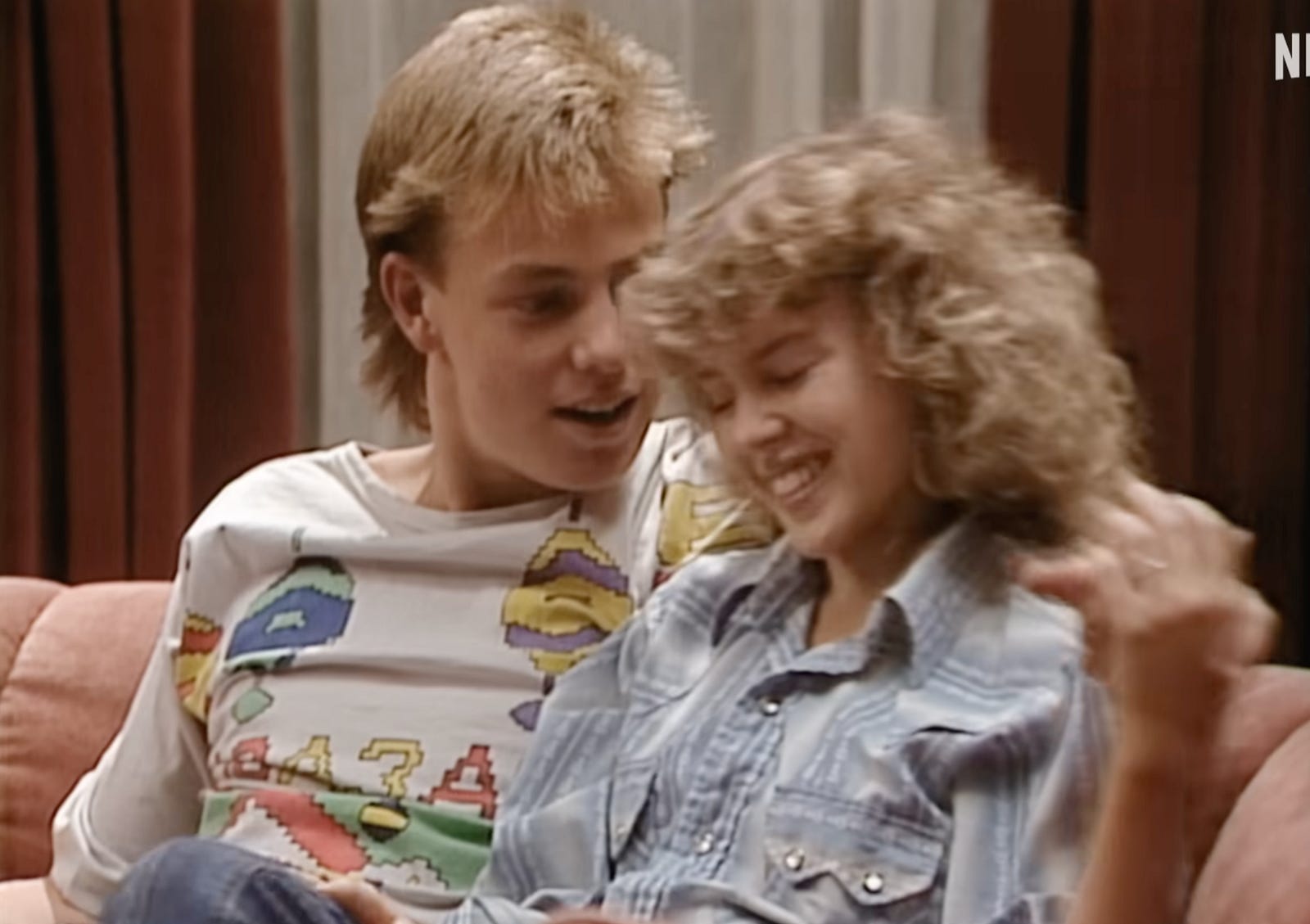
At the same time, she was still starring in the Australian soap opera Neighbours— the series that made her a household name in the UK and beyond. There, she starred opposite Jason Donovan who somewhere between the takes would become her boyfriend off-screen as well as on-screen. Eventually, she had to be written off the series, because of the greater dream she had carried since childhood — becoming a singer.
Following the immediate success of her first singles and the love of the audience, the media began attaching labels to her — soap opera star, pop singer — and when they could no longer fully contain what she was becoming, she was given the dismissive nickname ‘The Singing Budgie’.

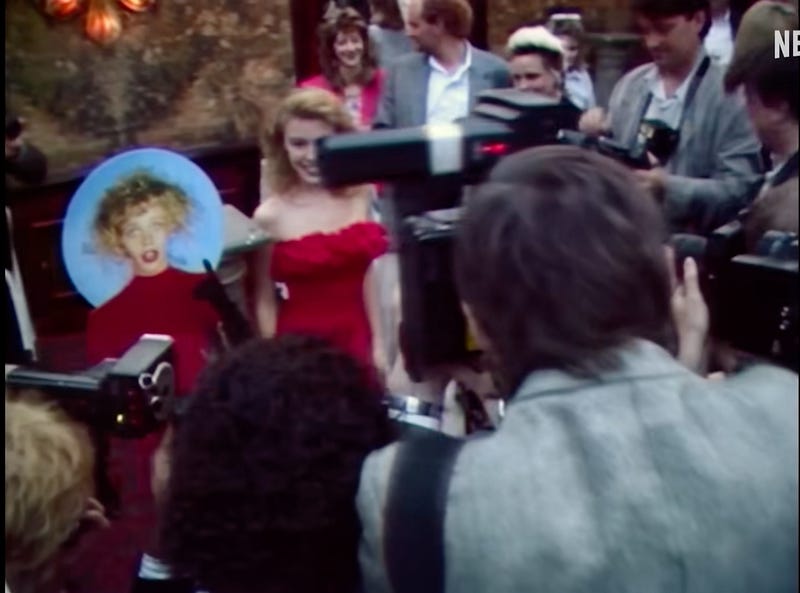
It had been cruel and an attempt to put her in a box, which is what she detests the most, as we understand throughout the series. It appears that back in the 1980’s it had not been common to have a career in various industries, but instead you had to choose one to stick to.
If she was a soap star, she could not be a serious singer. If she was a pop singer, she could not be an actress. If she was sweet, she was supposed to remain sweet and uncomplicated.
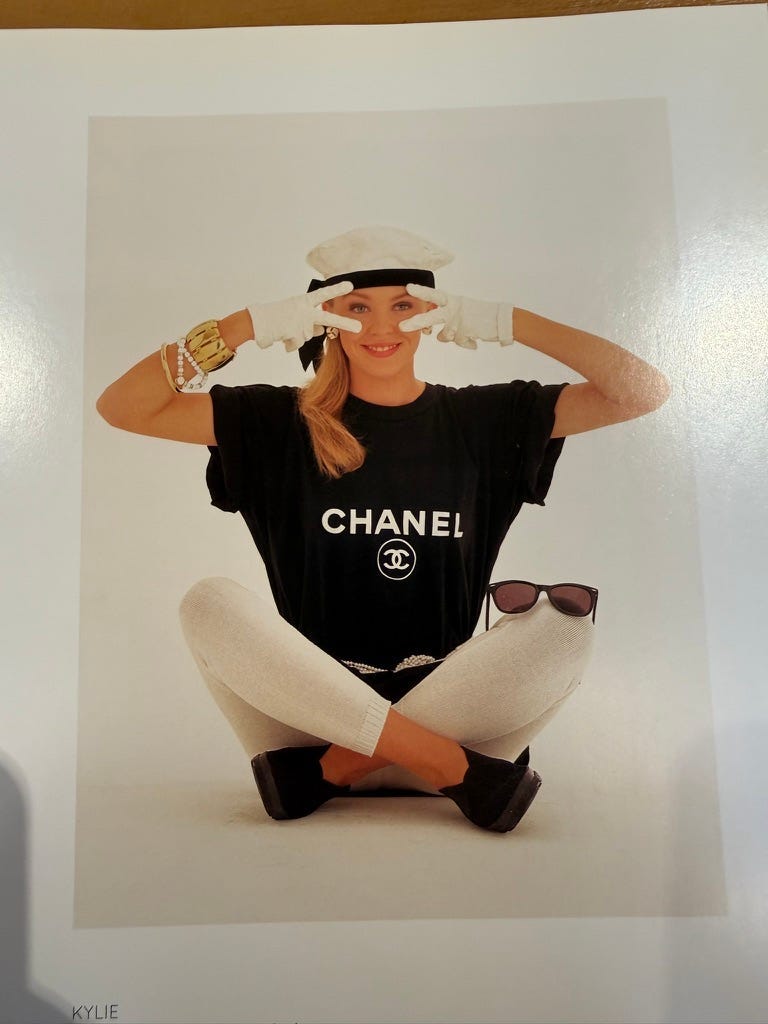
Then came Michael Hutchence.
The INXS frontman appears in the documentary as one of the first people who seemed to have seen Kylie as unfinished in a good way. After she and Jason Donovan broke up, her relationship with Hutchence began, and with it came Kylie’s first reinvention.
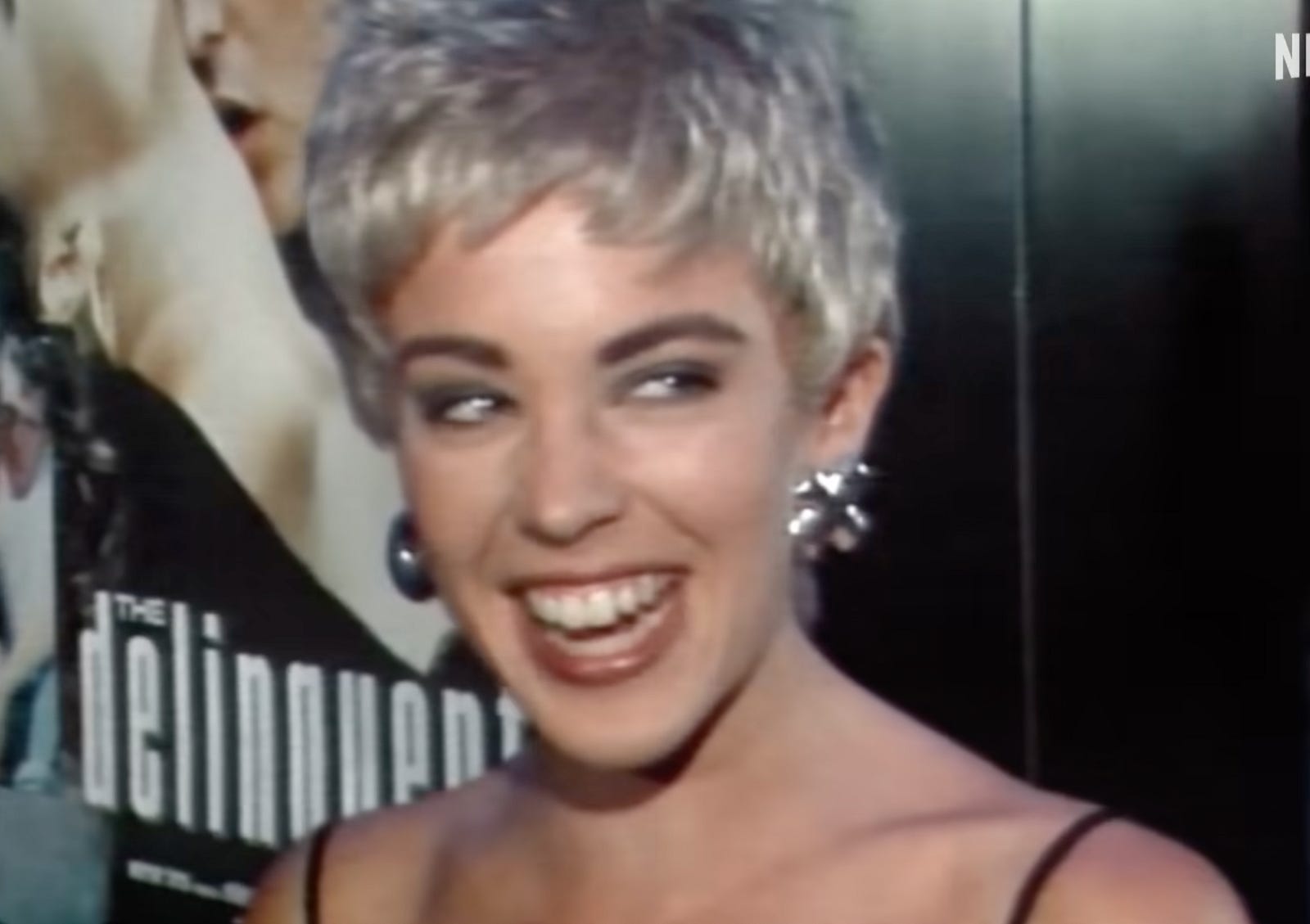
Towards the end of the first episode, we watch her wear a pixie-styled wig to an event in the end of the 1980s, holding hands with her new boyfriend, dressed in an outfit that tells us something has begun to shift. The safe, golden Kylie is still visible, but another Kylie is starting to appear. As the episode comes to its end, Pete Waterman remembers that people were already “used to Kylie,” so they had to find something that was not Kylie.
During her relationship with Hutchence, Kylie felt she had the permission to explore herself — in terms of fashion, different visuals, different energy, vibes, and to understand who she actually is. Her sister, Dannii Minogue reflects on that period by saying, “In her world back then, confidence was just everything.” Kylie herself says she was never wearing blinkers, but if she had any, Michael took them all off. She enjoyed traveling with him and ‘experiencing many firsts’.
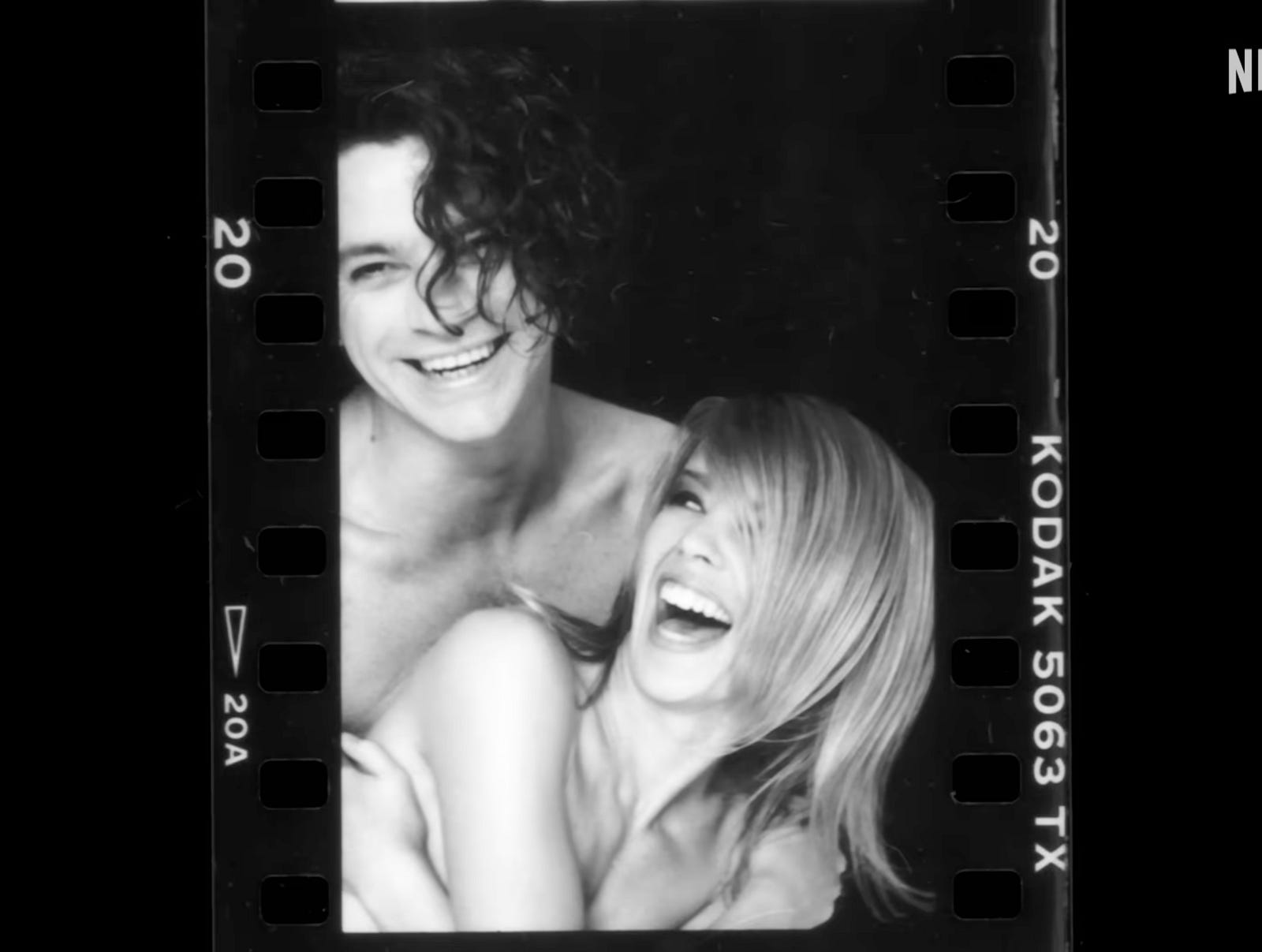
The most important thing we find out is that this first reinvention was not a marketing strategy, but one where a young woman was asking whether she could exist outside the version of herself that the world had already approved of, even if not fully approved of.
We see a more confident Kylie telling Waterman that she no longer wants to keep the same image as before, and even though he could understand she wants to experiment, reluctantly disapproves of the idea at first, because people want the Kylie they know and love.
Still, she embarks on her next tour, Let’s Get to It, with John Galliano designing the costumes and an all-new couture wardrobe. Kylie hits the stage wearing ruffled mini-skirts, a plastic raincoat, a fishnet-and-lingerie piece, while indulging into theatricality, exposure, play. Kylie is ready to claim her new updated persona replacing the one the public first embraced.
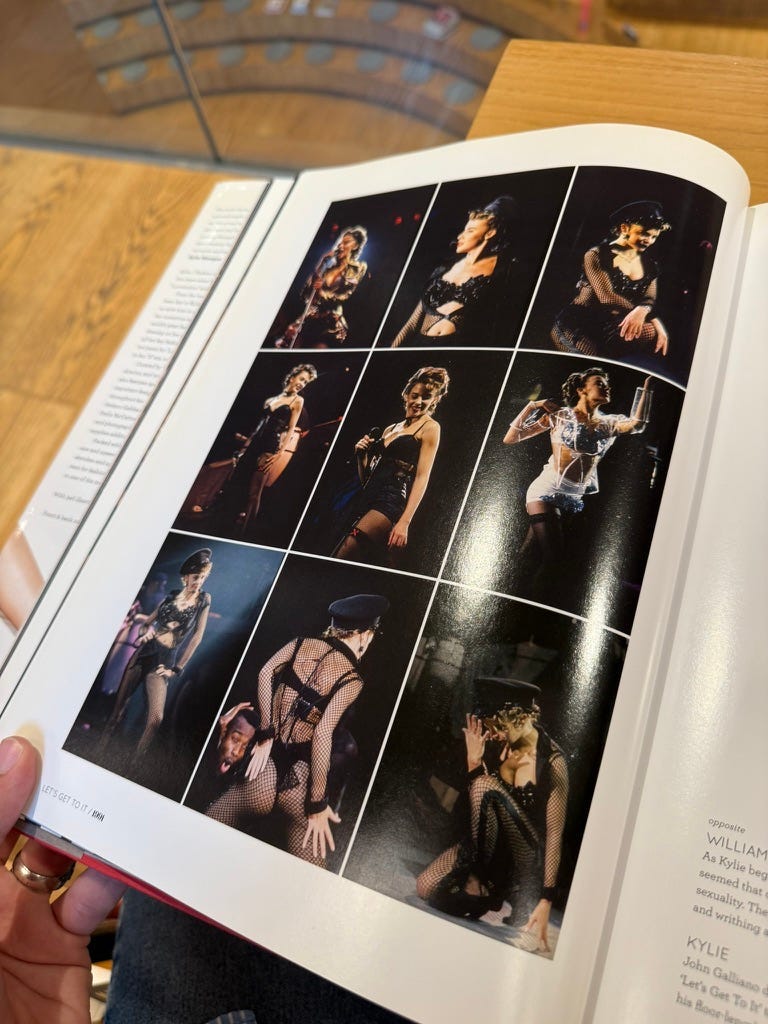
The media, however, did not miss the chance to do what it had already done before. It branded this new image as “SexKylie,” and just like that, “The Singing Budgie” flew out of the window.
A woman makes a move, and the world rushes to capture and caption her.
Kylie continues touring, but her relationship with Hutchence slowly begins to fade. Despite her efforts to protect the relationship, he ends it, becoming another ‘first’ for her — her first heartbreak.
The breakup leads her to another kind of escape. Kylie goes to Paris, stepping away from the machinery that had labeled and shaped her, and there she meets her friend — artist and director, Katerina Jebb. Together, Kylie begins exploring the distance and the difference between the public persona and the private persona. The photographs they take together allow her to differentiate the two identities, and identify what is still hers beneath all the labels she was given.
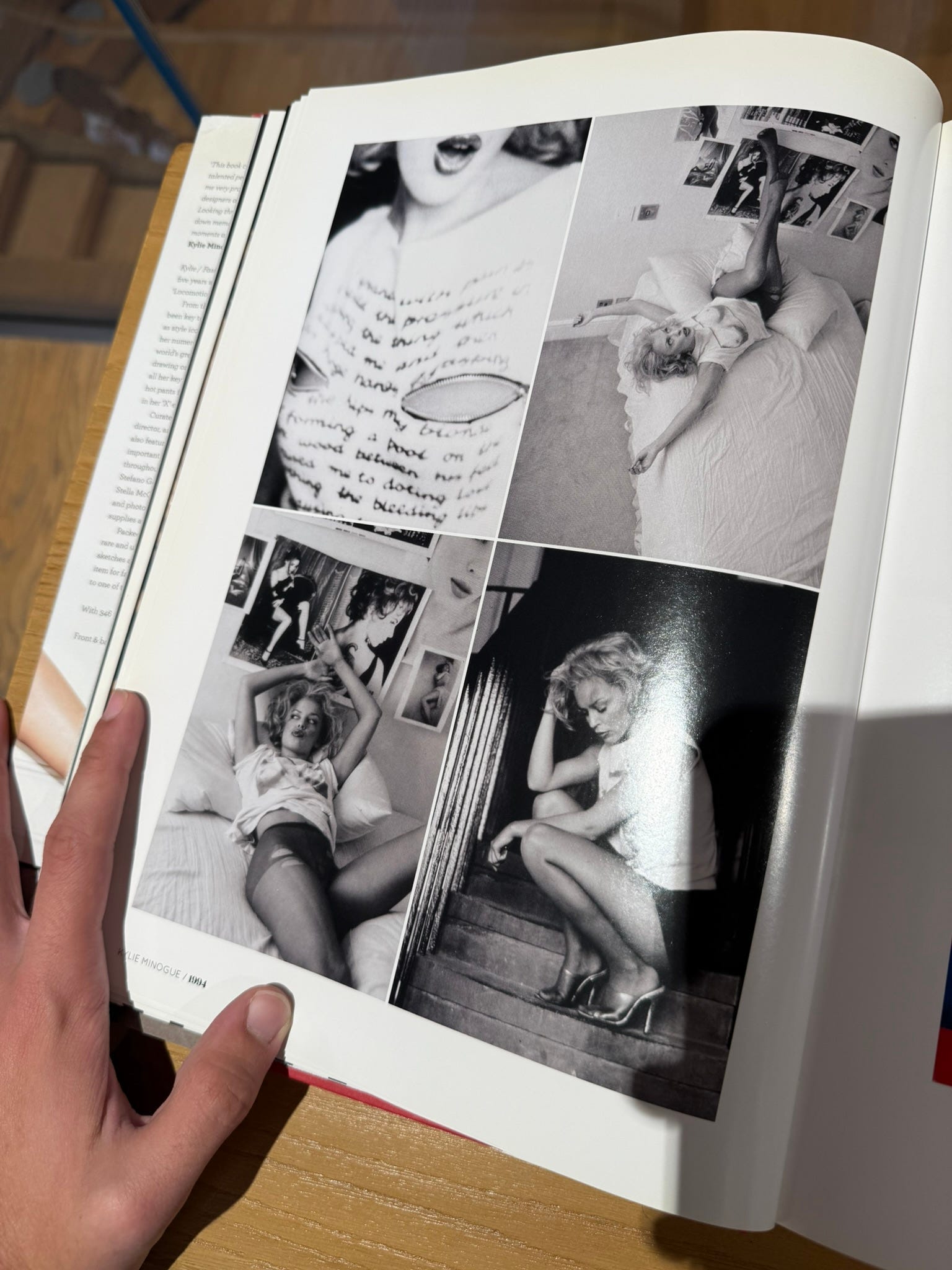
That is where the first reinvention flows into the second, as we come to realize Kylie was not just trying to become sexier, cooler, darker, or more fashionable, but instead she was trying to find space inside the image where she could breathe.
The old Kylie was still there, the audience wanted her, the industry needed her, and soon the second reinvention would be defined not just through fashion and attitude, but through music itself.
And it gets more complicated because escaping the image can become another image, too.
After her contract with Waterman’s label comes to an end, Kylie signs with Deconstruction. Smaller, but edgier. She knows she can experiment more. She dips into a different vocal delivery and different sounds. Her move to Deconstruction though is strategic for her because it shows her attempt to set a definition of ‘Kylie’ before the world would do so.
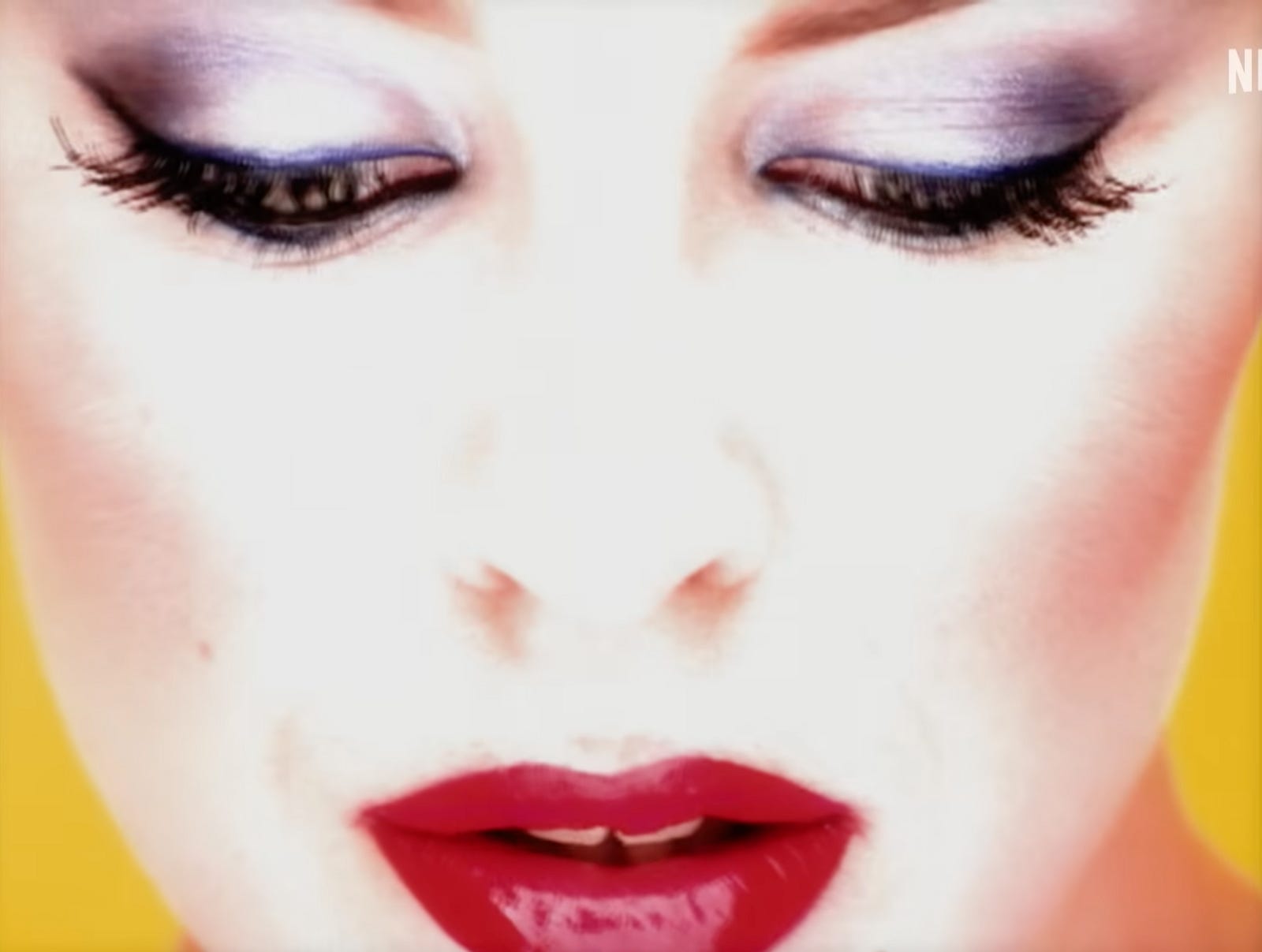
She tries to prove she is more than the old ‘versions’ of Kylie, more than ‘The Singing Budgie,’ more than ‘SexKylie,’ and she succeeds in complicating the image. But she risks becoming trapped by the opposite demand— be darker, indie, serious, credible, as Nick Cave, frontman of the rock band Nick Cave and the Bad Seeds, says in the docuseries.
Nick becomes a key figure in this period, especially after their duet — the murder ballad Where The Wild Roses Grow. In the documentary, he describes their work and friendship as an ‘escape’ for both of them. He says Kylie was the force of change for him (considering he was labeled ‘The Australian nightmare’ by media), and equally, he was a force of change for her, too, as he reminisces she was a ‘prisoner of an image.’
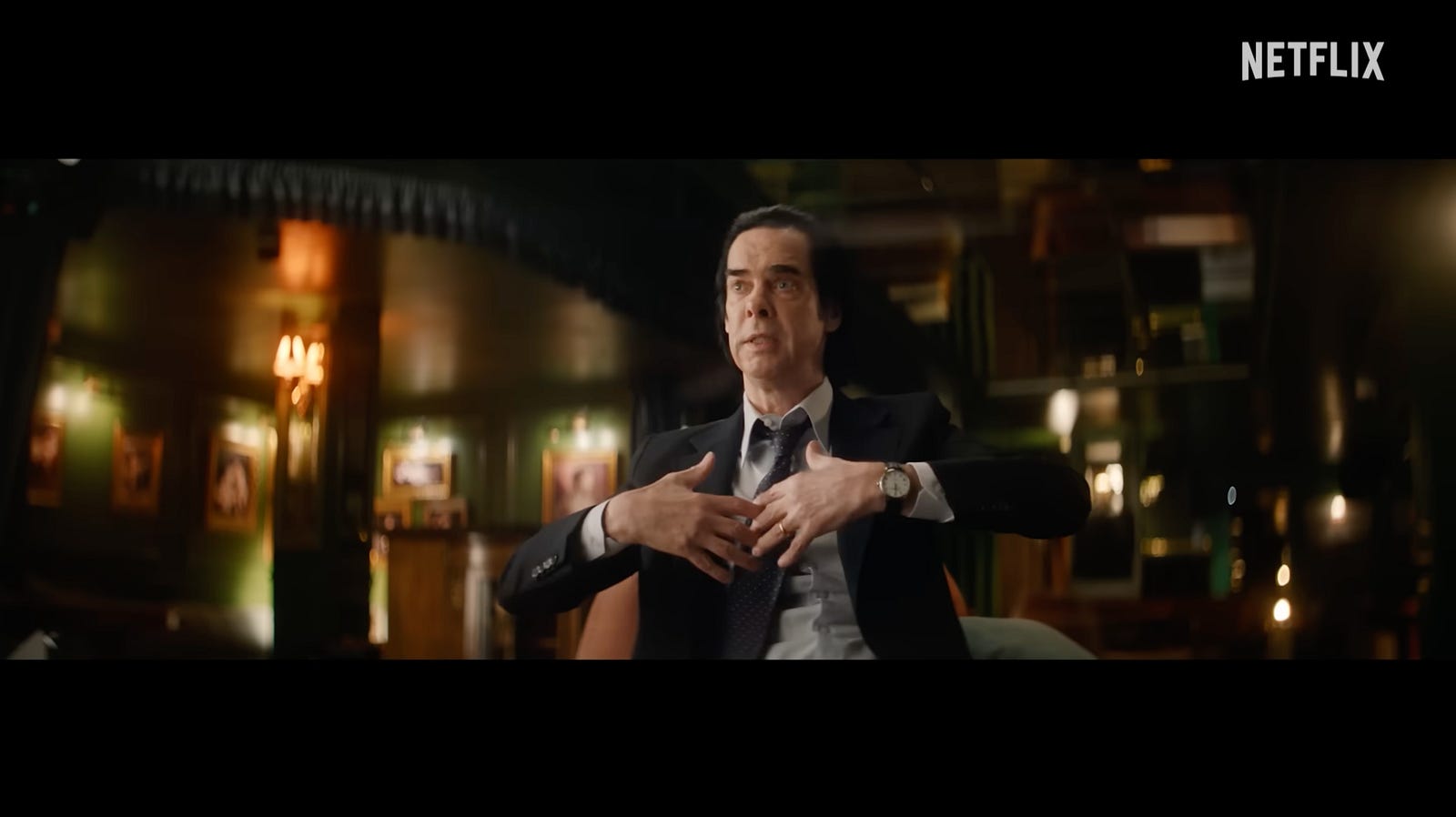
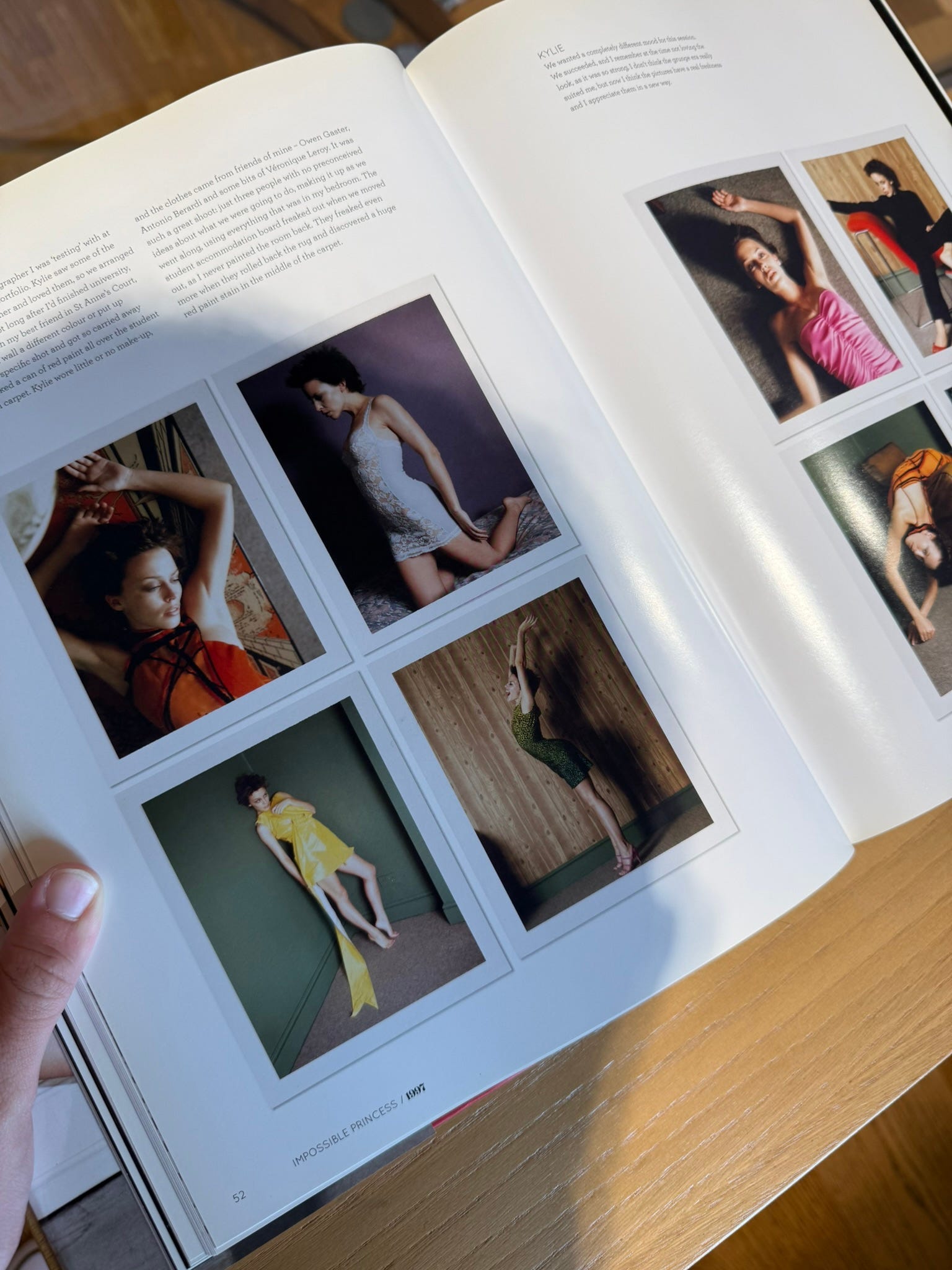
Under his influence, Kylie Minogue begins writing her own lyrics, thus, having more creative input and control over her work. This leads to the album Impossible Princess which defines her experimental era. The release is again followed by enormous media criticism, putting her in a box, this time dismissed as “Indie Kylie,” “disappointing,” “irritating,” billboards saying “We’ve decided what to do with Kylie’s music. Don’t play it.” All too far from what the public expected her to be.
After Impossible Princess fails to meet commercial expectations, her time with Deconstruction comes to an end. At that point, surrounded by the noise of the outside world that she was never really number one, never really a pop star, never an influence, she is facing the possibility of having to return to her career in acting.
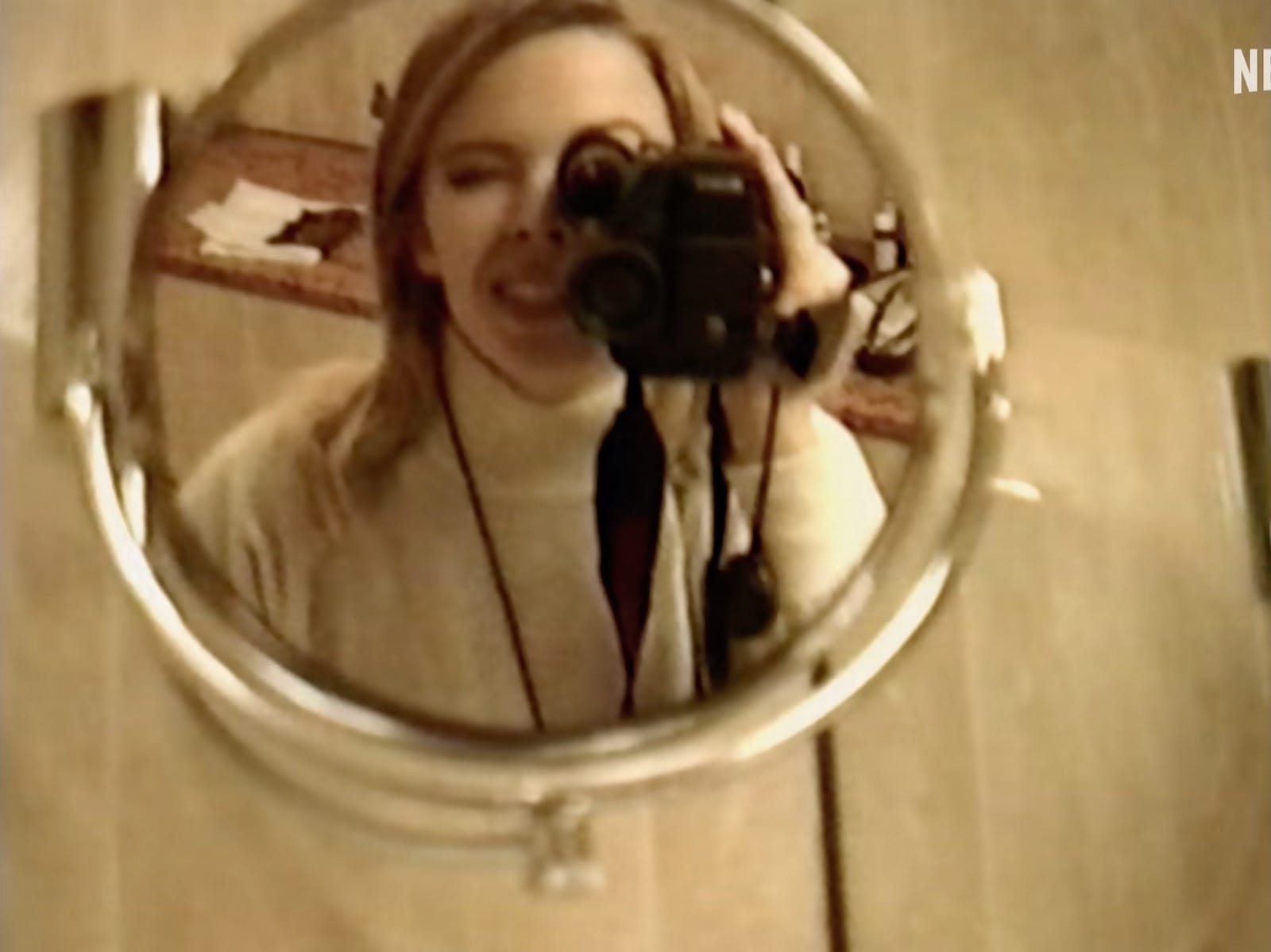
This period is also marked by Michael Hutchence’s death. In the series, Kylie reflects on how much he appreciated who she was, and how, with him, she felt valued, protected, nurtured, and believed in.
“He really didn’t want me to become someone else for him at all. He was encouraging me to discover me.”
Following Michael’s funeral, something pivotal happens — Cave invites Kylie to recite at what was called The Poetry Olympics — “two days and nights of continuous poetry” at the Royal Albert Hall. And there, in one of the most traditionally elitist artistic spaces, Kylie walks onstage to recite the lyrics of I Should Be So Lucky.
The audience recognizes the song. The room responds.
The old Kylie, the one she had been trying so hard to escape, suddenly fills the space again.
For Kylie, it becomes the moment she is “face-to-face” with her old self again. And Cave recalls it with striking honesty: no one willingly wants to be indie and Kylie is “a force” precisely because she can unite thousands of people through pop.
“The great beauty of pop music,” he says, “is that it is a joy machine”.
And maybe the old Kylie was never the enemy of Kylie the person, maybe the enemy was all of the shame that was attached to the public persona, and “being put in a box”. This is where the power of her reinventions lies — she never wants to become one fixed thing. She wants to be fluid and free to follow the creative force behind her machinery wherever that force needs to go.
With that realization, she returns to pop with the distinction that the genre was never what made her small, but the way other people treated her fueled her need to reinvent.
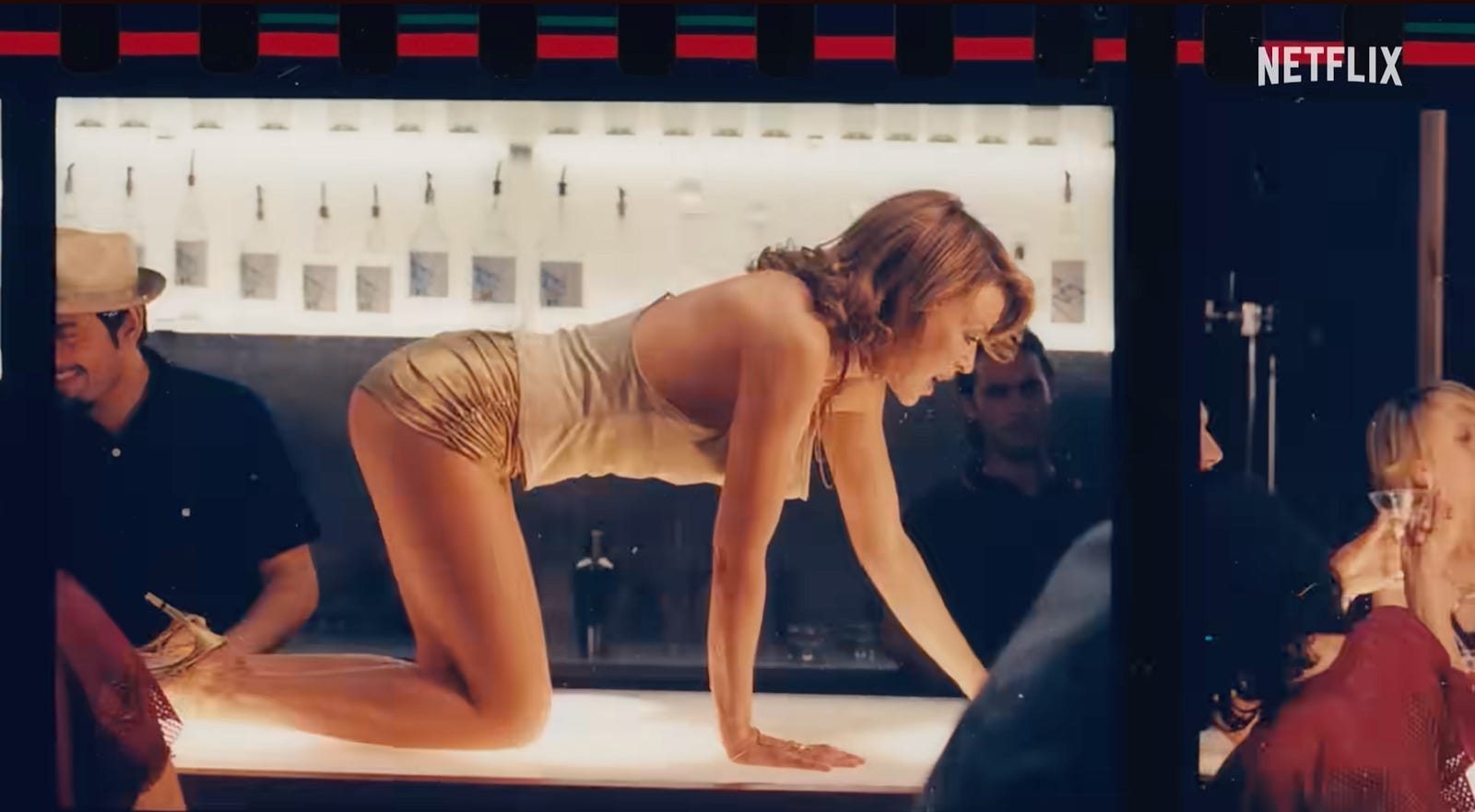
Her new goal is to do “mega pop” and with Spinning Around, the documentary presents Kylie as someone reentering the pop industry differently. It is like ‘back to basics’ but empowered by creativity and wisdom.
In Kylie’s own terminology coming back has its own meaning, too:
“The irony is ‘Kylie’ does mean boomerang,” she says. “I do my best to come back.”
After the massive success of Spinning Around, the iconic gold pants — which had been in Kylie’s possession long before the video, tucked away at the back of a drawer before being resurrected — become part of her mythology. The glamour the smile, the confidence carry the same meaning, too.
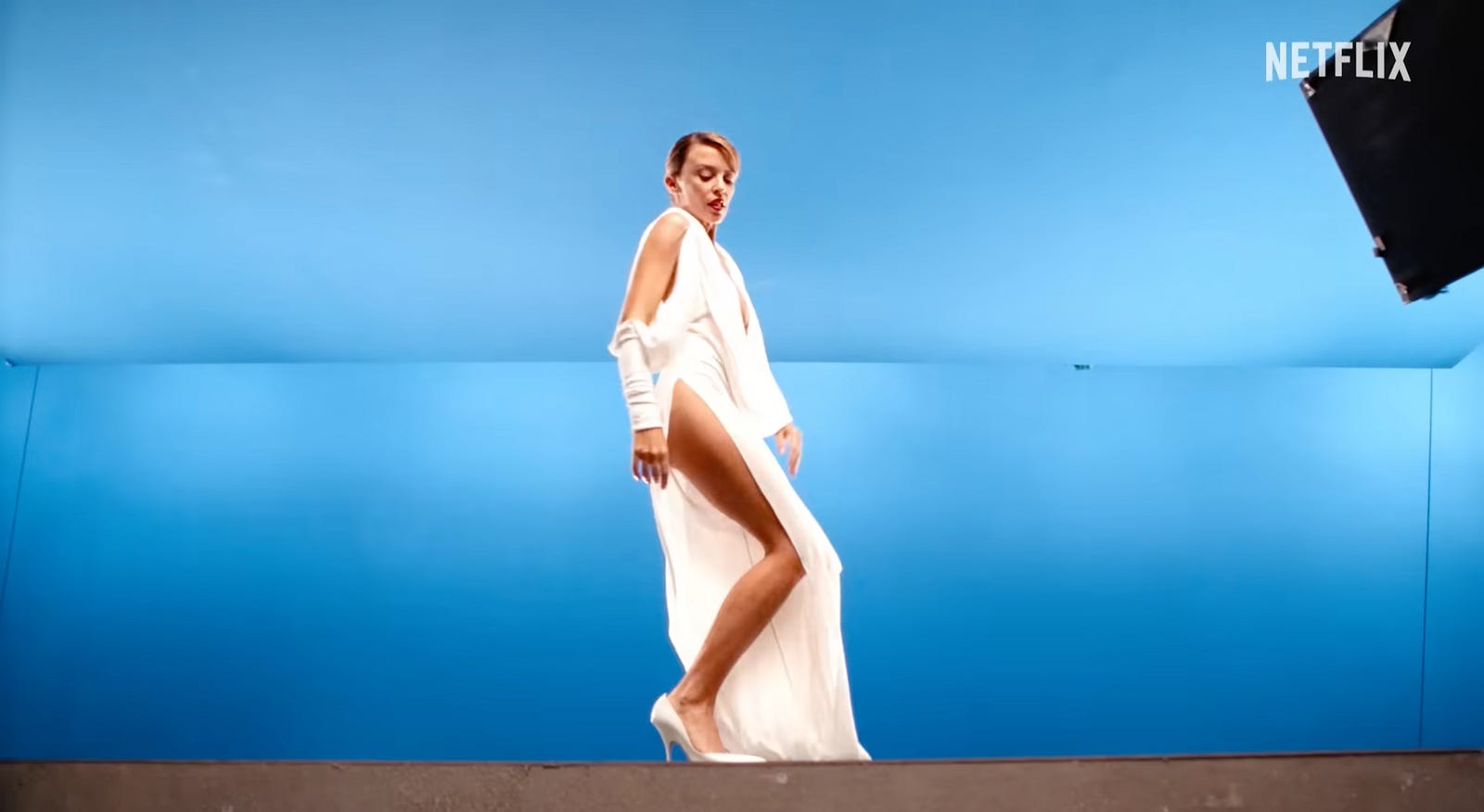
Then with the release of Can’t Get You Out of My Head, Kylie realizes that:
“For the first time, I wasn’t trying to be someone else.”
This is essential because it shows the determination behind her new eras — she does not need to escape the image, she knows how to control it and reshape it on her own terms. And this is the exact place where the old Kylie and the new Kylie stop fighting each other.
But just when she seems to have found a version of pop that belongs to her and has reclaimed her number ones on the charts, life interrupts her performance in the most brutal way by returning her glamorous image to the body beneath it.
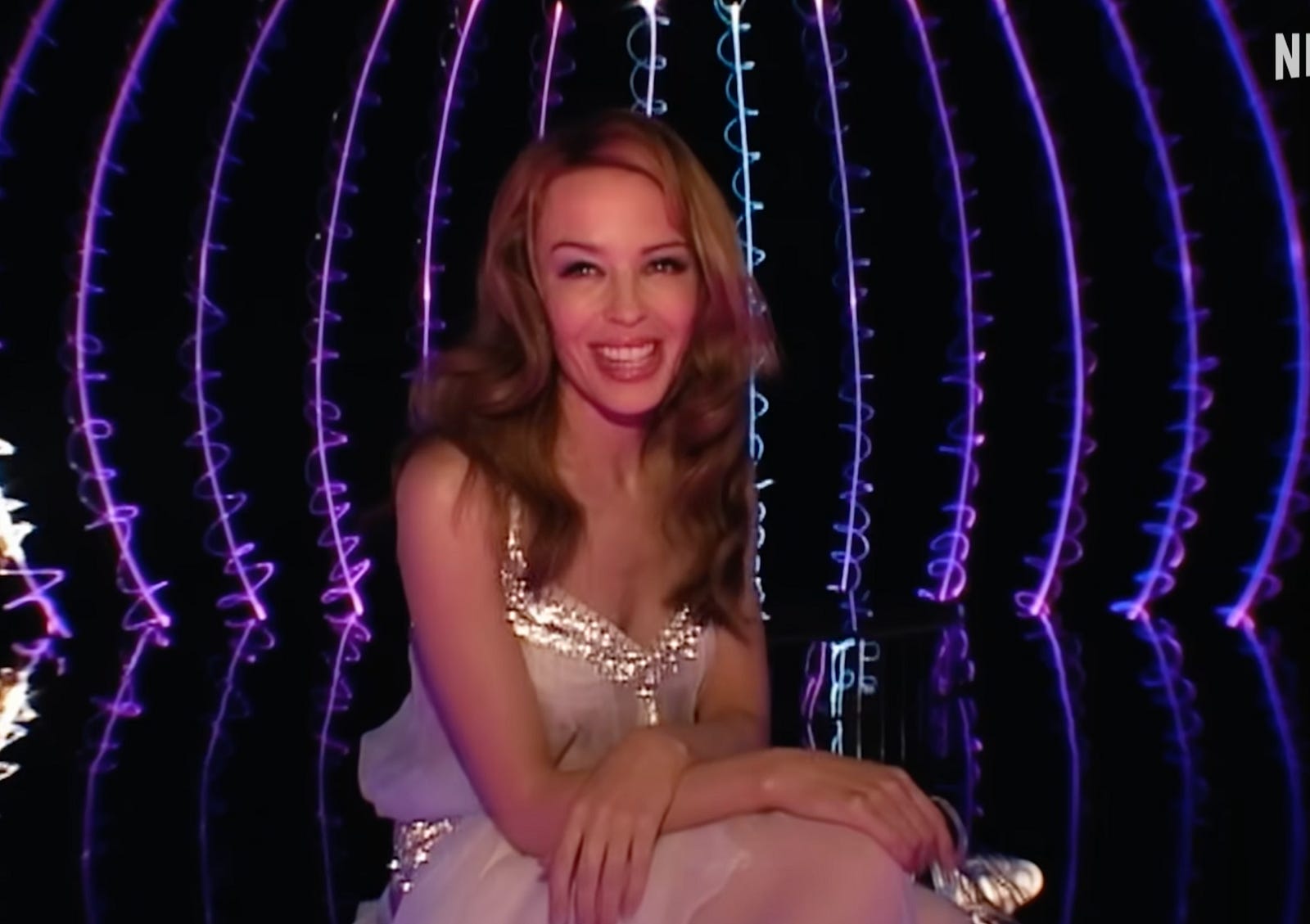
Embarking on a world tour and announced to headline Glastonbury, Kylie discovers a lump in her breast. At the time, she is in London so she goes to a hospital to have it checked. Doctors first tell her it is fine, but she continues to experience fatigue, wondering she is too old to keep doing this. It has nothing to do with age and following her return to Australia and her worsening symptoms, she goes for another screening where concerns begin to emerge.
After biopsies, she is given the news she has breast cancer.
“Nothing felt real,” she says, “and yet it couldn’t be more real.”
Here, the significance of Kylie’s family comes into focus — her parents call her sister Dannii to explain the urgency of the situation. Dannii at the time is in London and immediately has to return to Australia. Because it is a 26-hour flight, by the time she lands in Sydney, she is ‘welcomed’ by the press, already informed of Kylie’s diagnosis. Kylie had let the media know what was happening despite ‘needing stillness,’ because she ‘felt pressured to do so’ due to having to postpone her tour and having to cancel Glastonbury.
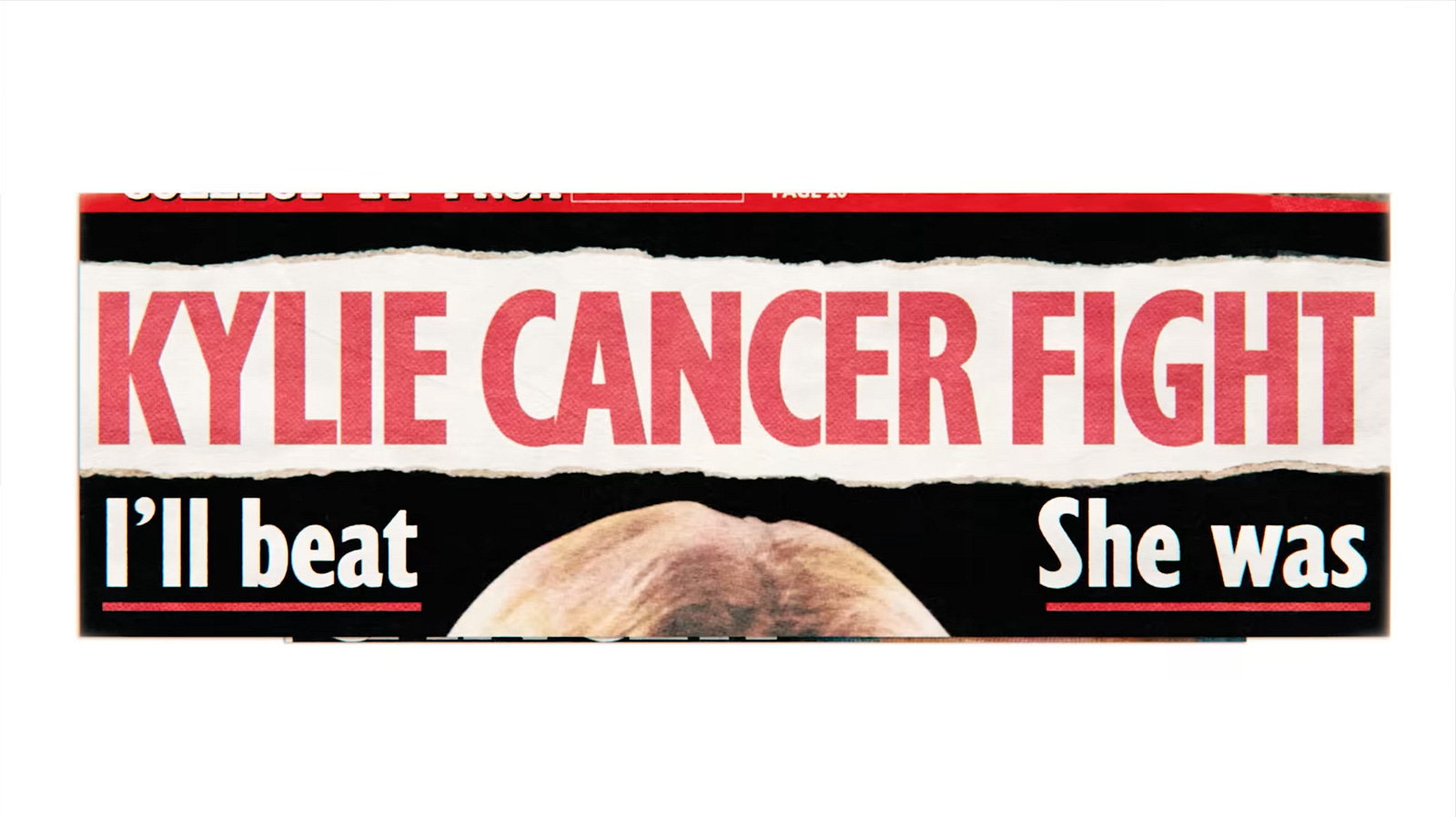
For years, the public had consumed Kylie as an image — her whole essence had been styled, photographed, toured, desired, criticized, adored, but now it suddenly returned to vulnerability. And even in that critical moment, the media wanted access.
The most private part of her life became public before she could even process what was happening. Reporters knew where she would have the lump removed, and according to the docuseries, members of the medical team were offered large amounts of money to take photographs of Kylie inside the hospital.
Following the surgery, she decides to go to Paris for her treatment. She is followed by her mom.
“I needed her now more than ever,” Kylie says.
What follows are months of pain and darkness:
“I felt removed from my body. Removed from the world. And the mind goes to really dark places,” she remembers.
Dannii does not leave her sister’s side either. Working in London, she would often travel to Paris to help with however she can. Eventually, she discovers that the most useful way to be present was to play music, the way they had when they were children:
“I thought about what had always kept us together,” Dannii says. “Okay, I’ll play music. That went back to what we knew. Back to the beginning. That feeling of being around the record player again. That feeling of family.’
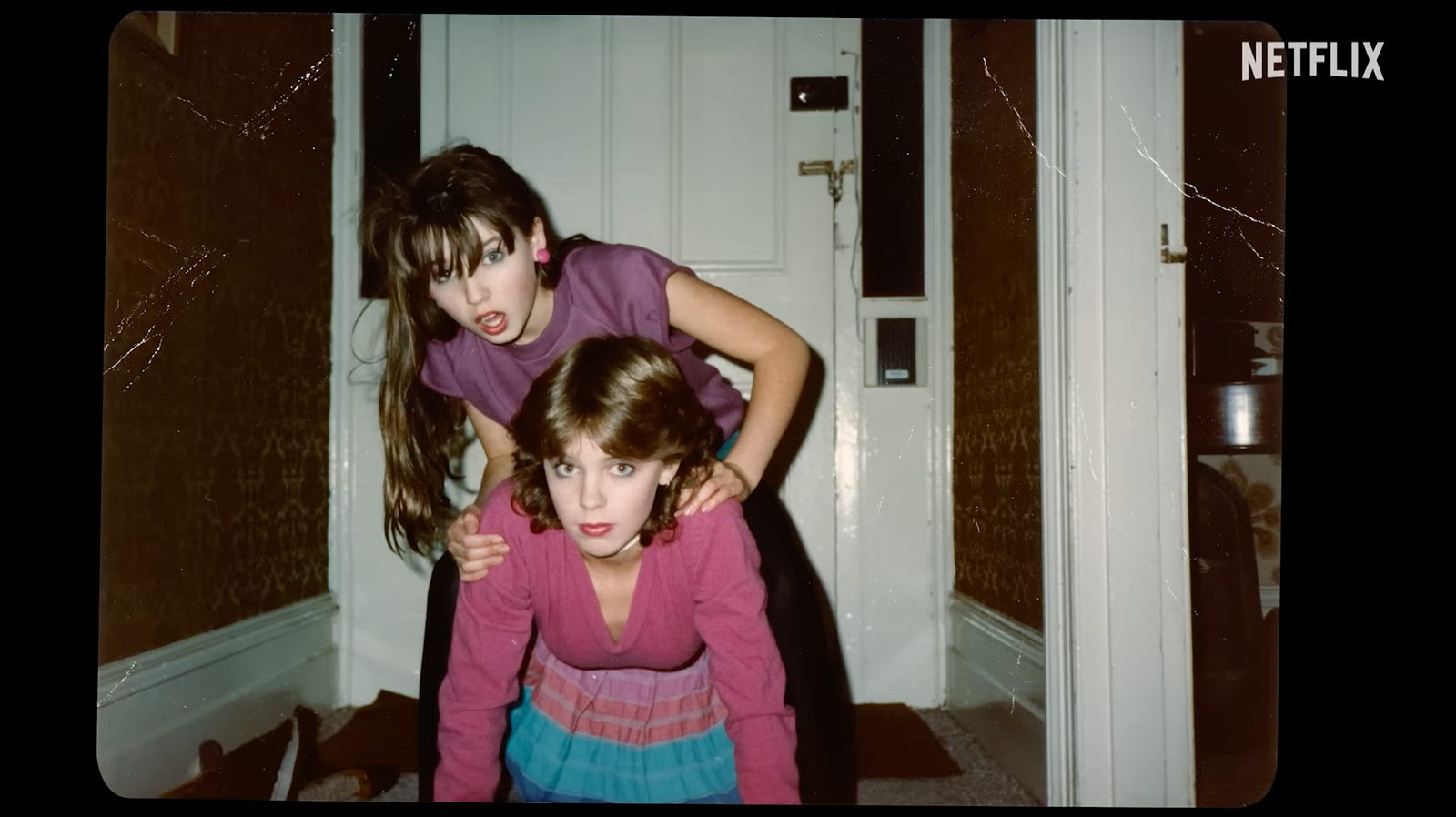
It was again music that kept them going. And one night, in the hospital, Kylie sees the Eiffel Tower sparkling through a small window as if it was sparkling for her:
“There was one little window, and through [it], the Eiffel Tower started sparkling. And I was like, I’m not finished. This is not where I say goodbye.”
Soon, after recovery and after being told she was cancer-free, Kylie begins making public appearances again, slowly returning to the spotlight.
Her diagnosis and her path give rise to what becomes known as “The Kylie effect”, with more women going for screenings after hearing her story. She becomes a survivor and, in her own way, an activist.
But the documentary also makes clear that survival came with a cost.
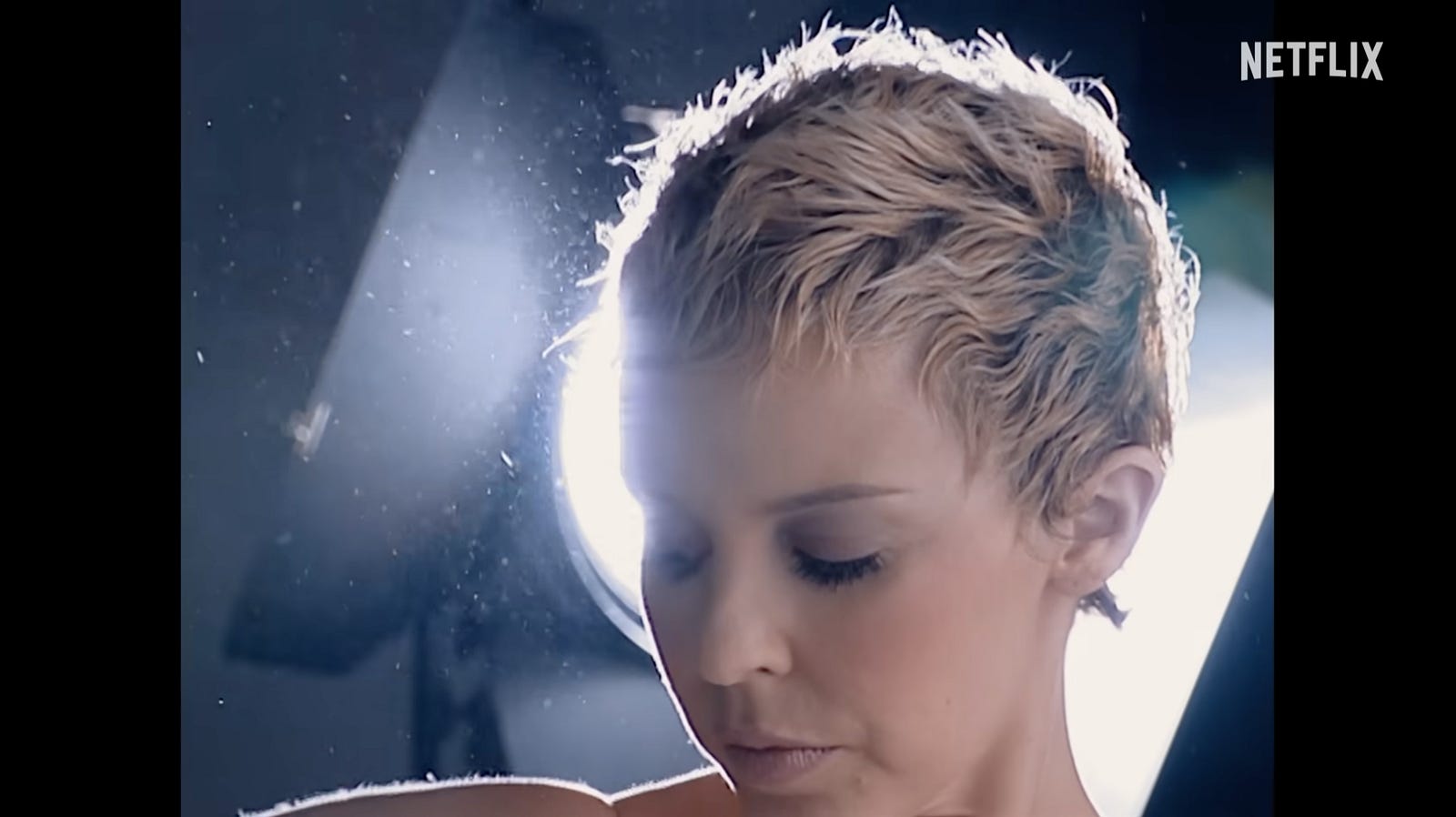
Cancer did not only interrupt her tour, but also possible futures, including becoming a mother. Kylie postponed chemotherapy to try IVF, a significant risk, but her dream to have a baby had been stronger. All the attempts were unsuccessful and although she was vocal about the challenges she had gone through, the media asked insensitive questions about whether she had considered motherhood or marriage earlier.
At one point, Kylie writes a song about what could have been, a song to an unborn child and she sings it in the documentary. Some losses are unlived lives we learn.
In 2006, fans were still holding on to tickets from the cancelled tour, and Kylie begins preparing to resume it. Calling it Showgirl: Homecoming Tour she sets dates in Australia and the United Kingdom. Although she describes herself as “not being as strong and as fit as before,” she pushes through the physical obstacles and when it got too hard she would read letters that her fans were sending her, one of which reads:
“If you ever get scared, just know that in every single second of every single day, one of your fans is thinking of you”.
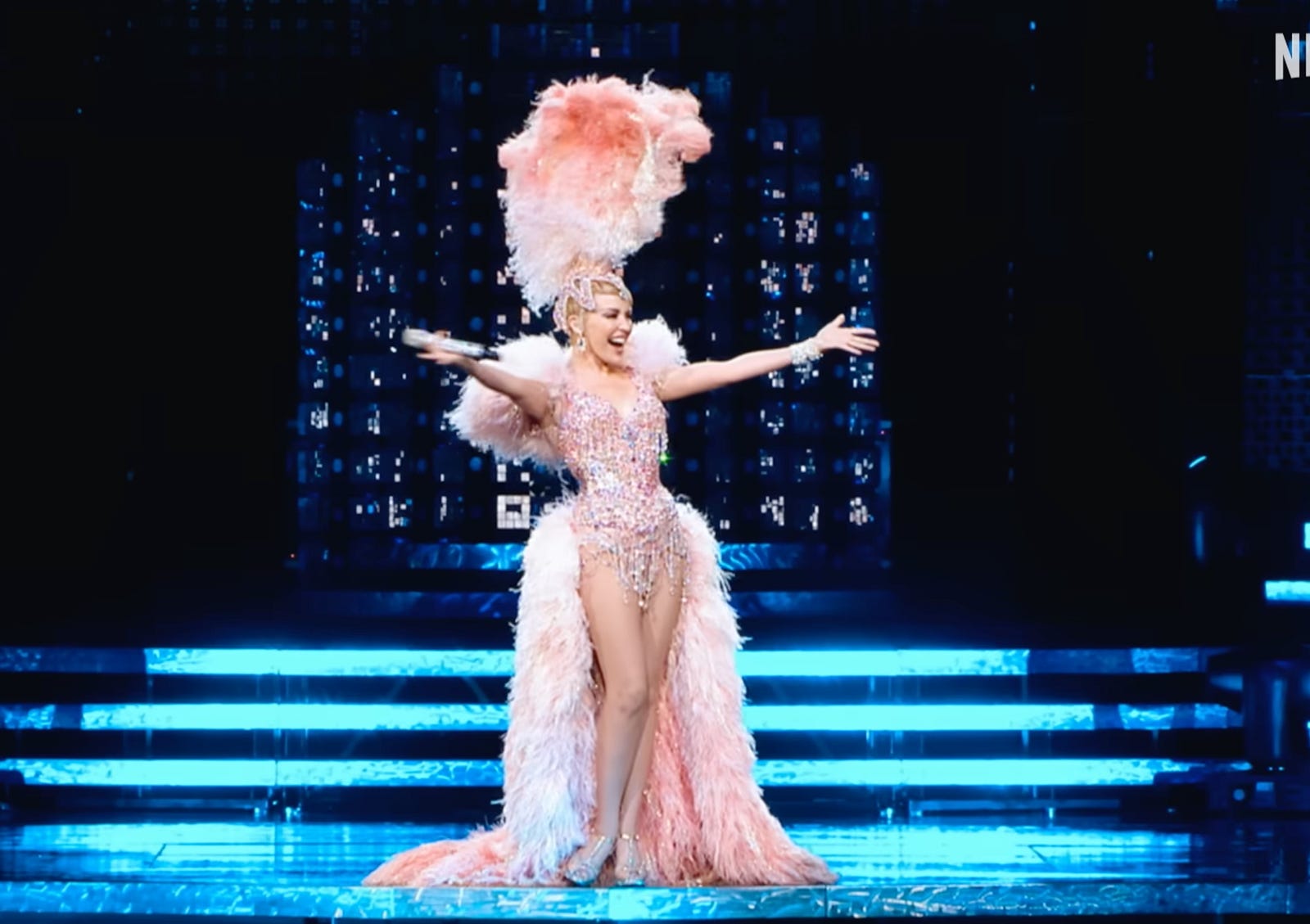
And that is how Kylie concludes:
“Life makes sense to me on stage.”
We see the tour opening, the crowds, and then the documentary moves thirteen years forward. In 2019, Kylie is again announced to headline Glastonbury which is not only a career milestone or a dream come true, but a dream returning years after it was taken away. And this time, she is more than ready to take the stage, and turn on the joy machine that her pop music has become, facing an audience of two hundred thousand people.
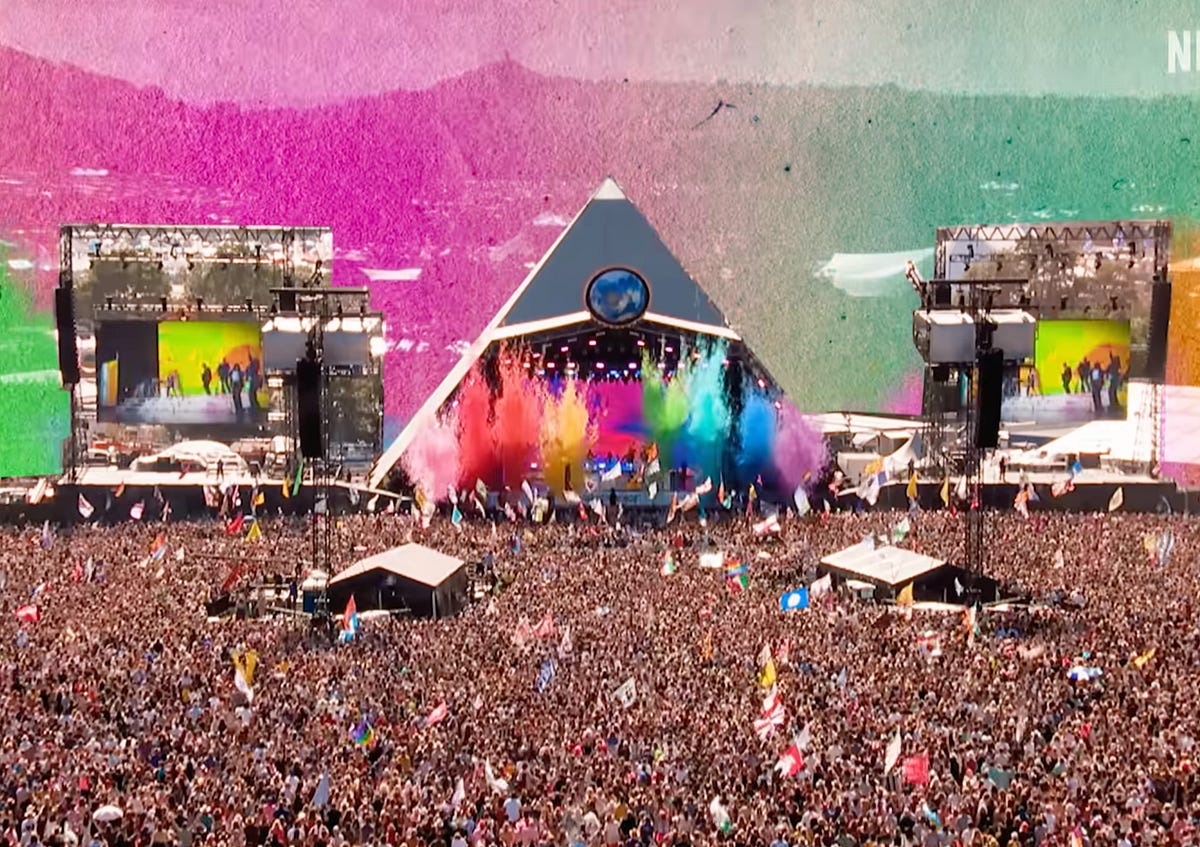
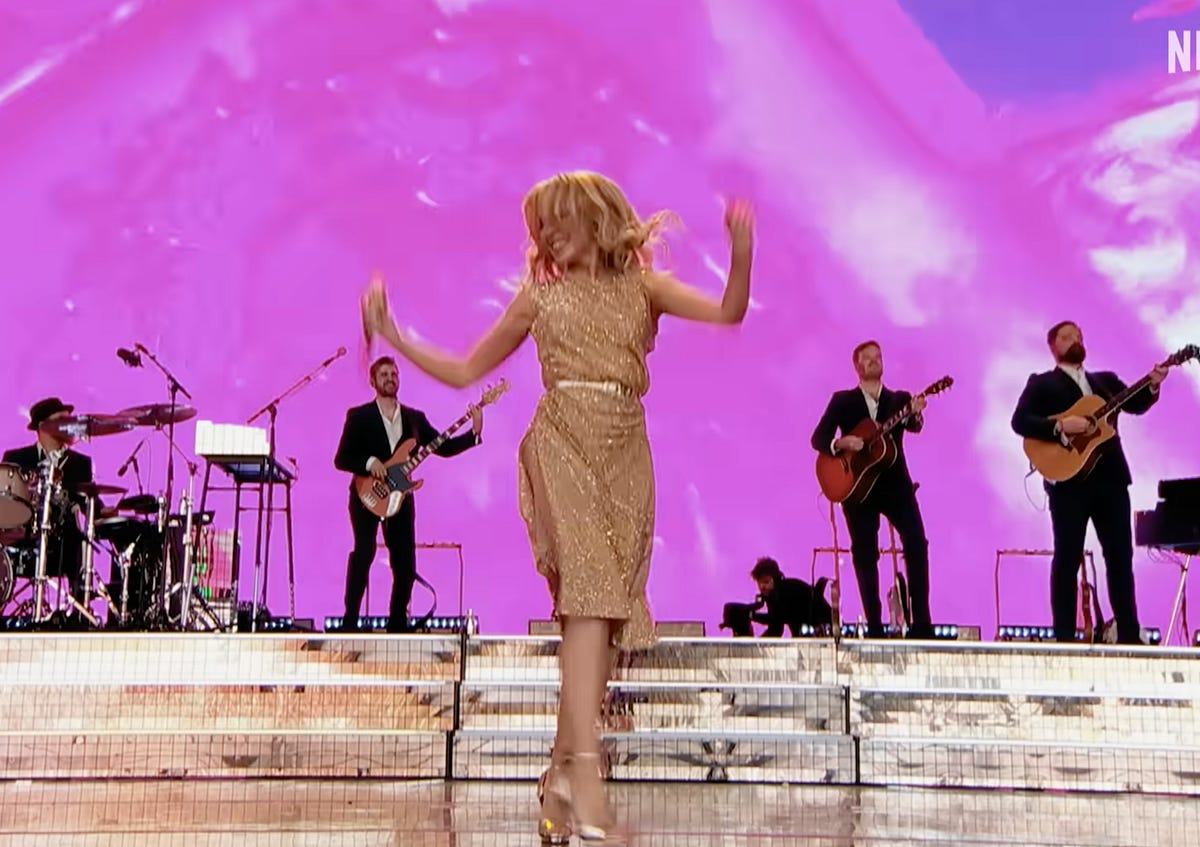
In the final minutes of the series, we become Kylie’s confidants as she shares the story she had kept to herself. During a recording session, she delivers an acoustic performance of her song Story.
The first lyrics are:
“I had a secret that I kept to myself,
I had a one-way ticket that was going nowhere.”
Through tears, she shares with her team, and with us, that she had been diagnosed with cancer again in 2021, and that she became a “shell of a person.” In 2005, the story became public quickly because the tour, the press, and the whole machinery made privacy impossible. This time, she keeps the second diagnosis private, and thus, she owns the timing of the story. After treatment and recovery, while promoting her 2023 album Tension, she had the opportunity to reveal what had happened, but she never felt it was the right moment.
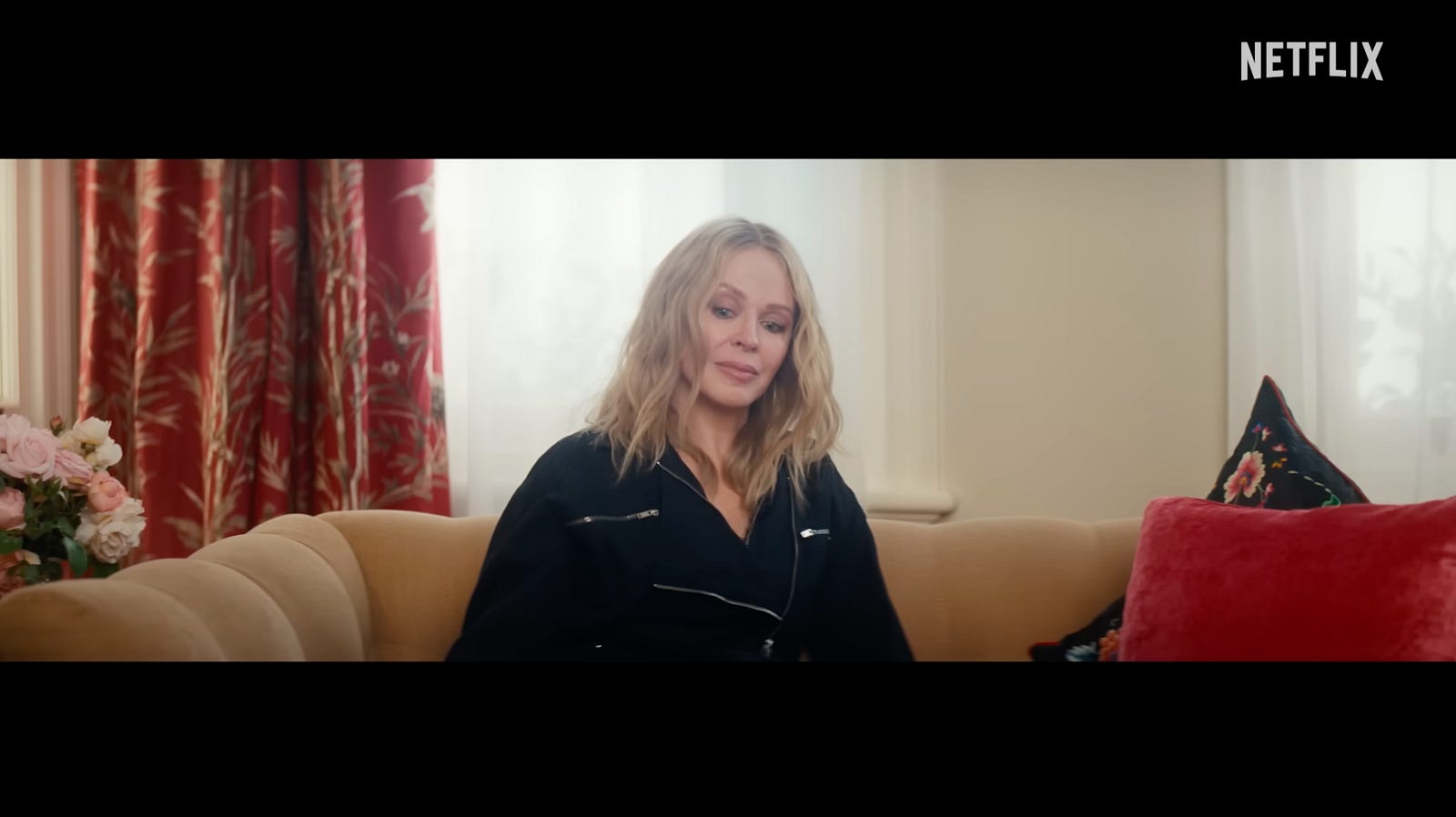
And this brings us to the final shift — in her past, being loved came before being understood by the audience and even by herself. Being public happened before being private. But now she decides when the public gets access, making this the final act of self-definition.
Following the success of Padam Padam, a Grammy award, two albums, a world tour in 2025, Kylie Minogue stands as a woman who has lived long enough inside the image to decide what that image means.
By the end, Kylie becomes much more than a documentary about a pop star and it can be seen as an example of what it means to be made public before you are ready and have your image loved before the person behind it is understood. It can rank among the best documentary series about celebrities — the production, the intimacy, the vulnerability, the laughs we share with her, the tears we cry together…
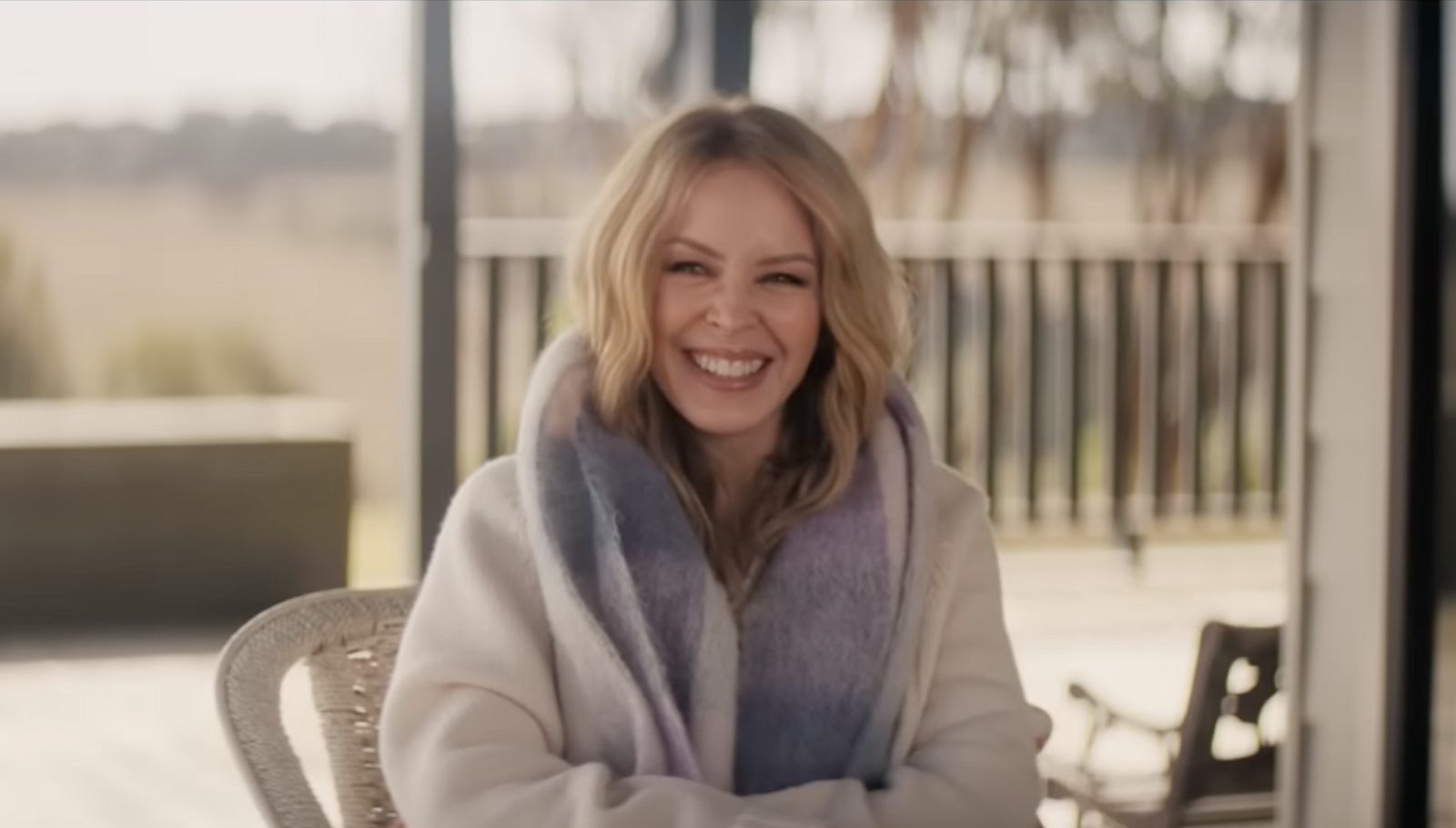
They all bring us closer to a superstar who is just a human beneath the glam, the makeup, and the spotlights. And the documentary does not ask us to admire Kylie because she has kept reinventing herself for decades, it reminds us that there is a cost of being turned into an image, but there is also a force that drives you to determining what that image means to you.
Towards the end of the docuseries, Kylie gives pop one of its most generous definitions:
“Pop music nurtures me. Pop can elate you. If you’re depressed, it can soothe you. It can be a type of salvation for some people.”
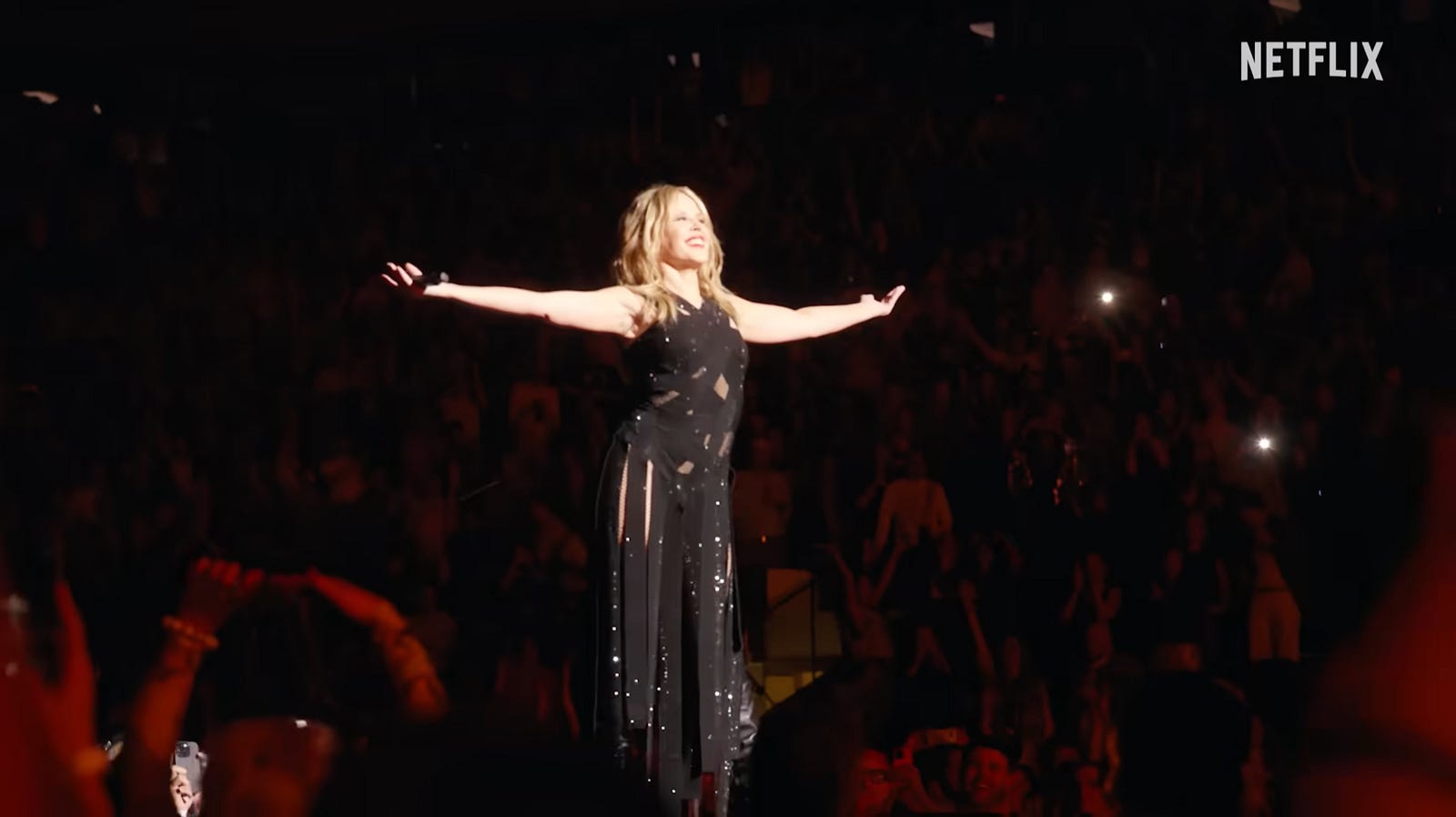
Then comes the line that feels like the whole documentary exhaling:
“My story continues. And you are a part of my story.”
But perhaps the real power of Kylie is that, by the time she says it, the story finally belongs to her. Not to the critics, not to the tabloids, not to the industry, not to illness, not to the first version of Kylie the world decided to love.
To her.
Kylie is now streaming on Netflix.
An earlier version of this essay was originally published on I Couldn’t Help But Wonder on Medium. This version is now part of The Wonder Mag archive.